

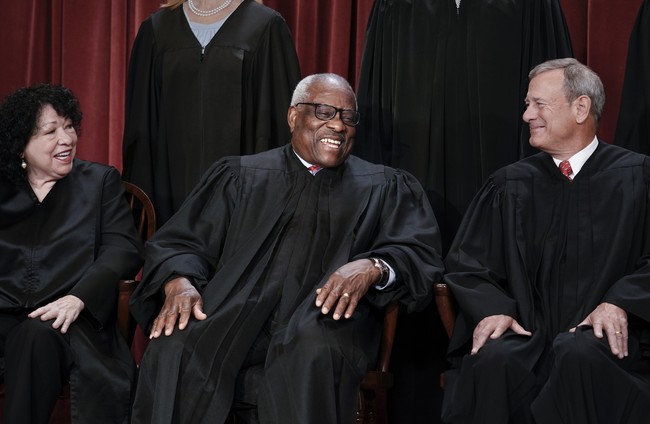
Justice Clarence Thomas’s concurrence in the Hemani case lands like a precision shot across the bow of the federal gun-control apparatus. By zeroing in on the shaky Commerce Clause foundation that has propped up decades of gun bans, Thomas isn’t merely nitpicking legal technicalities—he’s spotlighting how Congress stretched a clause meant to regulate interstate trade into a catch-all justification for disarming law-abiding citizens. For the 2A community, this is more than academic; it’s a roadmap for future challenges that could dismantle restrictions sold to the public as settled law but built on increasingly wobbly constitutional ground.
What makes the concurrence especially potent is its timing and tone. Thomas pairs originalist scrutiny with a quiet but unmistakable invitation to litigants: bring the right case, and the Court may finally confront whether the federal government’s power to “regulate commerce” truly includes the power to ban entire classes of arms. That invitation matters because lower courts have long treated Commerce Clause challenges to gun laws as dead on arrival; a single well-crafted concurrence from the Court’s senior originalist can shift the Overton window overnight, giving attorneys and state attorneys general the cover they need to press these arguments again.
For gun owners and industry stakeholders, the takeaway is strategic patience paired with aggressive preparation. Every new restriction that leans on the Commerce Clause now carries an asterisk—one that Thomas has helpfully highlighted. The next test case could turn that asterisk into a constitutional wrecking ball, and the 2A community would be wise to start building the factual and historical record that would let the Court finish what Thomas has begun.


