

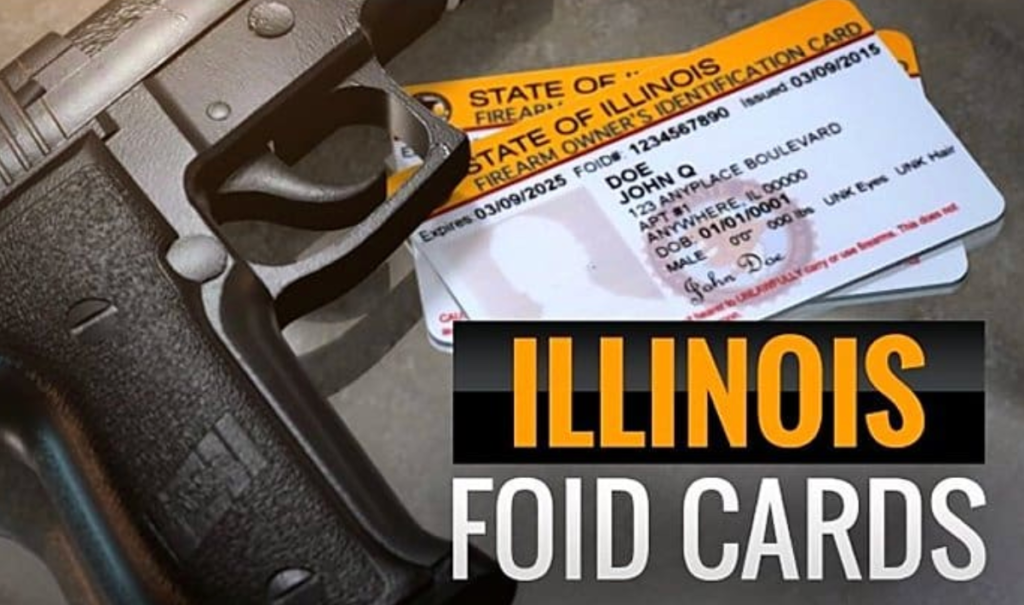
In a significant challenge to one of the nation’s most restrictive gun control regimes, a civil liberties group has filed a federal lawsuit arguing that Illinois’ Firearm Owners Identification (FOID) card requirement violates the Second Amendment by forcing law-abiding citizens to beg the government for permission before they can exercise a fundamental right. The suit contends that the decades-old FOID system, which demands applicants submit personal information, undergo background checks, and pay a fee simply to possess firearms or ammunition in their own homes, functions as an unconstitutional prior restraint. For gun owners in Illinois, this is not a minor bureaucratic inconvenience; it is a blatant inversion of constitutional order where the default position is that your rights are suspended until the state decides otherwise.
This case strikes at the heart of post-Bruen jurisprudence, which demands that gun regulations be consistent with the nation’s historical tradition of firearm regulation. Requiring a license or permit card to merely own a firearm has no clear historical analogue in the founding era or the years that followed. The American tradition was one of presumptive ownership for peaceable citizens, not a permission slip from the state. Illinois’ system, layered with its 72-hour waiting periods, “assault weapons” ban, and magazine capacity restrictions, represents the progressive vision of rights as privileges that government may dole out or withhold based on its ever-changing standards of “need” or “public safety.” The FOID card has long been a de facto registration scheme that creates a centralized database of gun owners, something gun rights advocates have correctly warned turns into a ready-made confiscation list should political winds shift dramatically.
For the broader 2A community, this lawsuit is more than just another court filing; it is a direct assault on the “may-issue” mentality that still infects large segments of blue-state governance even after the Supreme Court’s landmark decisions. If successful, it could dismantle one of the longest-running examples of treating the Second Amendment as a second-class right. Illinois gun owners have endured this infringement for over fifty years. The question now before the courts is whether the Constitution still means what it says: that the right to keep and bear arms shall not be infringed, and that government permission slips have no place in the lexicon of American liberty. The outcome will send ripples far beyond the Land of Lincoln.


