

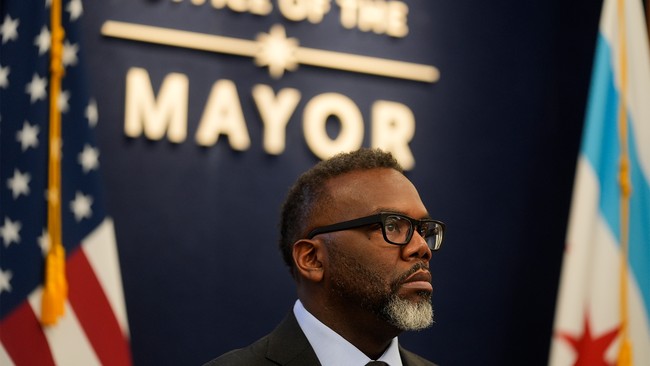
Chicago Mayor Brandon Johnson’s decision to scrap the city’s ShotSpotter contract is more than a budget line-item—it’s a deliberate retreat from technology that has repeatedly delivered real-time evidence of gunfire in neighborhoods where police response times were measured in minutes rather than seconds. By pulling the plug on acoustic sensors that triangulate shots and automatically alert dispatch, Johnson is effectively telling residents that the sound of gunfire will now be treated like any other 911 call—if it is called in at all. For a city already hemorrhaging population and business investment, the move doubles down on the same “defund-adjacent” logic that has left entire blocks without reliable police presence, turning public safety into a political talking point rather than an operational priority.
The 2A community should read this as a cautionary tale about what happens when elected officials prioritize optics over outcomes. ShotSpotter data has been used in prosecutions, corroborated witness statements, and exposed the sheer volume of illegal discharges that never generate a police report. Removing that layer of objective evidence doesn’t reduce crime; it simply reduces the city’s ability to document it, which in turn weakens arguments for prosecuting illegal gun possession and straw purchases—the very enforcement tools that responsible gun owners support. Johnson’s move also hands critics of law-abiding carriers another narrative: that “gun violence” is so intractable that even neutral technology must be rejected, shifting blame away from failed progressive policies and onto the firearms themselves.
Longer term, the cancellation signals to other Democrat-run cities that de-prioritizing detection technology is politically survivable, potentially accelerating a broader rollback of data-driven policing. For Second Amendment advocates, the lesson is clear: the right to keep and bear arms is only as secure as the rule of law that protects it. When cities refuse to record, investigate, or prosecute illegal gunfire, they erode the public’s willingness to distinguish between lawful self-defense and criminal misuse—precisely the distinction the gun-control lobby works to blur. Johnson may have saved a line item on the city budget, but Chicagoans are paying for it in lost evidence, slower response, and another round of political theater masquerading as reform.


