

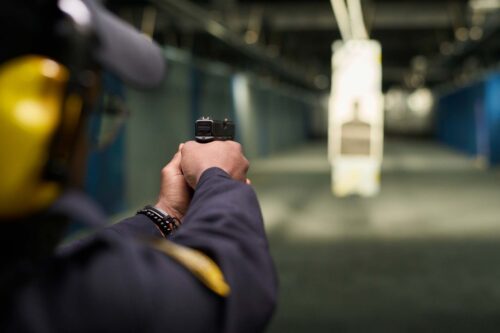
Chicago’s post-McDonald playbook was as cynical as it was transparent: demand live-fire training as a condition of gun ownership, then shutter every public range inside city limits. The scheme was designed to make the Second Amendment a right in name only, and it took the Seventh Circuit’s ruling in Ezell v. City of Chicago to expose the trap. By striking down the range ban, the court recognized what gun owners have long argued—that the right to keep and bear arms necessarily includes the right to acquire the skills to use them safely. The decision didn’t just restore access to training; it established a precedent that training itself is constitutionally protected conduct.
The ripple effects are still being felt. Ezell gave litigators a new tool to challenge “may-issue” permitting regimes and discretionary “good cause” requirements that function as de-facto bans. It also forced cities to confront the reality that any regulation purporting to promote safety cannot simultaneously eliminate the means of becoming safe. For the broader 2A community, the case underscored a strategic lesson: incremental burdens must be met with incremental litigation. When governments try to raise the cost of rights exercise—whether through training mandates, insurance requirements, or storage rules—courts are increasingly willing to ask whether those costs are designed to suppress the right rather than serve a legitimate public interest.
Ultimately, Ezell reframed the debate from “Do people have a right to own guns?” to “Do people have a right to become proficient with them?” That shift matters, because it moves the conversation from abstract principle to practical reality. If the Second Amendment protects an individual right, it must also protect the ecosystem that makes the right meaningful: instructors, ranges, and the simple ability to rent a lane and punch paper. Chicago learned the hard way that you cannot condition a constitutional right on an act the government simultaneously makes impossible.


