

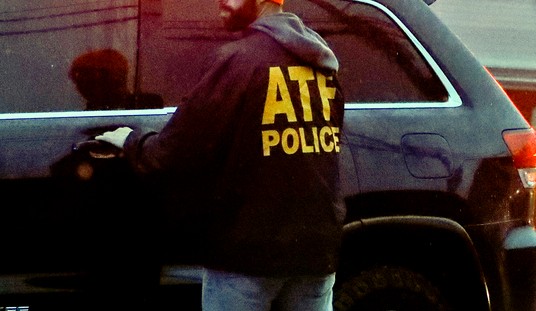
The abrupt dismissal of charges against three individuals tied to an ATF-involved shooting should serve as a flashing warning light for anyone who still believes federal agencies operate with consistent accountability. When prosecutors quietly walk away from cases that once carried the weight of felony allegations, it usually signals either shaky evidence, procedural overreach, or the uncomfortable realization that the government’s own conduct might not withstand scrutiny. In this instance, the decision to drop the charges raises the obvious question of whether the ATF’s tactics—often criticized for aggressive enforcement and questionable rules of engagement—once again placed agents in a position where the facts refused to cooperate with the narrative.
For the broader Second Amendment community, episodes like this reinforce a long-standing pattern: federal firearms enforcement frequently relies on the threat of prosecution more than airtight cases, banking on defendants accepting plea deals rather than risking everything in court. When those cases collapse, the damage is already done—lives disrupted, legal fees incurred, and a chilling effect on lawful gun owners who now wonder whether any encounter with federal agents could spiral into similar jeopardy. The dropped charges may technically restore the legal standing of the three individuals, but they do nothing to restore public trust in an agency whose recent history includes botched operations, whistleblower complaints, and a regulatory agenda that often appears more interested in expanding its own authority than in measured, lawful enforcement.
Ultimately, this outcome should prompt renewed scrutiny of how the ATF selects targets and justifies the use of force. If charges can be filed and then abandoned with little explanation, the public deserves transparency about what actually occurred during the shooting and why the government initially believed criminal liability existed. Without that accountability, every dropped case becomes another data point in the argument that federal firearms policing needs structural reform, not expanded powers.


