

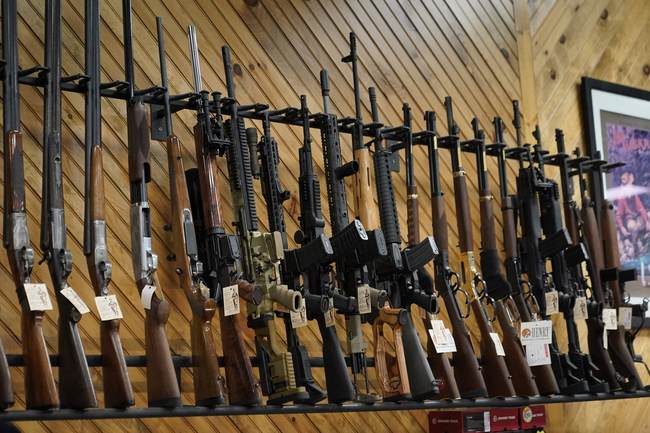
Virginia prosecutors who publicly pledged to ignore the state’s sweeping gun ban are doing more than simply exercising prosecutorial discretion—they’re drawing a bright constitutional line in the sand that reverberates far beyond Richmond. By refusing to enforce restrictions widely viewed as incompatible with the Second Amendment and the Supreme Court’s Bruen framework, these officials are reminding citizens and legislators alike that not every statute deserves the presumption of legitimacy; when a law collides with enumerated rights, enforcement becomes a political and moral choice, not an automatic duty. Their stance also spotlights the growing fracture between state capitals pushing magazine bans, “assault weapon” prohibitions, and permitting schemes, and the local officials who must actually bring charges—creating a de-facto nullification network that can blunt even the most ambitious gun-control packages.
For the broader 2A community, this episode underscores a strategic shift: victories are no longer confined to courtrooms or statehouses but are increasingly being won in prosecutors’ offices and sheriffs’ departments where real-world application of the law occurs. It signals that grassroots pressure, electoral accountability, and clear constitutional messaging can turn enforcement itself into a battleground, forcing anti-gun lawmakers to confront the uncomfortable reality that paper restrictions mean little without willing boots on the ground. The ripple effects could embolden similar refusals in other states eyeing magazine limits or red-flag expansions, while simultaneously warning the gun-control lobby that its model of top-down mandates is running into a decentralized wall of local resistance—one that treats the Second Amendment not as a suggestion, but as a hard limit on government power.


