

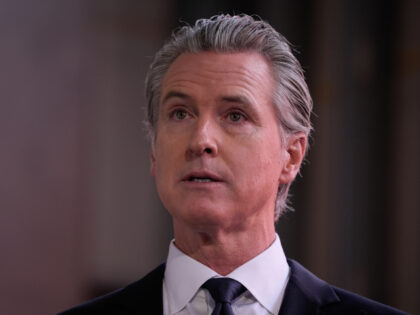
The reopening of the California “sensitive places” challenge is more than a procedural footnote—it’s a direct consequence of the Supreme Court’s willingness to treat the Second Amendment like the rest of the Bill of Rights. By striking down Hawaii’s near-total carry ban, the Court signaled that states can no longer hide behind vague “public safety” rhetoric to disarm law-abiding citizens in the very places they are most likely to need protection. California’s expansive list of prohibited locations—schools, parks, hospitals, and even some private businesses that choose to post signs—now faces the same constitutional scrutiny, and the plaintiffs are already moving to exploit that opening. For the 2A community this is a reminder that victories at the high court are only as good as the lawyers willing to keep filing the follow-on suits that turn abstract holdings into real-world carry rights.
What makes the moment especially potent is the timing. Post-Bruen, lower courts have been forced to confront history-and-tradition tests they previously ignored, and California’s restrictions look increasingly anachronistic when measured against Founding-era practice. The state’s defenders will argue that modern urban density justifies broader restrictions, but that argument collides with the Court’s insistence that 1791 analogues—not 21st-century policy preferences—govern the analysis. If the Ninth Circuit ultimately applies that standard honestly, large swaths of the Golden State could shift from “may-issue in practice” to shall-issue in reality, a change that would reverberate through every range, training class, and gun shop in the region.
The larger implication is strategic: each successful challenge narrows the remaining pockets where anti-gun jurisdictions can still operate with impunity. California’s attorneys will undoubtedly seek en banc review or another trip to the Supreme Court, but the trend line is clear—once a right is recognized as fundamental, the burden shifts to the state to justify every new restriction rather than the citizen to beg for permission. For carriers, instructors, and industry stakeholders, the reopened case is both an opportunity and a warning: the legal terrain is moving, and those who treat the post-Bruen landscape as settled law rather than an ongoing campaign will be left behind.


