

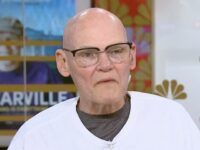
James Carville’s latest jab at President Trump—claiming he visits Walter Reed more often than the veteran strategist hits the head—lands with the usual partisan thud, but it also spotlights a deeper pattern: every time a Republican occupies the Oval Office, the media and Democratic surrogates treat routine medical transparency as evidence of frailty while ignoring the opacity that surrounded previous administrations. Trump’s documented trips to Walter Reed for standard presidential check-ups and minor procedures have been turned into a running narrative of decline, yet the same outlets that amplify Carville’s quip spent years shielding questions about Biden’s cognitive fitness and physical stamina. For the 2A community, the stakes are obvious: an administration perceived as physically or mentally compromised invites bureaucratic overreach, regulatory end-runs, and quiet policy shifts that never require a fully engaged commander-in-chief to sign off.
The real implication is that health speculation becomes a proxy war over who controls the narrative on executive fitness, and that narrative directly shapes how aggressively the ATF, DOJ, and state attorneys general pursue gun-control measures. When the sitting president is portrayed as erratic or absent, career officials feel emboldened to issue rules—like pistol-brace reclassifications or “ghost gun” edicts—without the political friction that would accompany a visibly vigorous executive. Conversely, a president who projects strength and frequent public appearances forces opponents to fight their battles in Congress rather than through administrative fiat. Carville’s bathroom humor may score cheap laughs on cable news, but it underscores why Second Amendment advocates track presidential vitality as closely as they track legislation: the health of the man in the Oval Office often determines whether the administrative state treats the right to keep and bear arms as a constitutional command or an inconvenience to be regulated away between medical briefings.


