

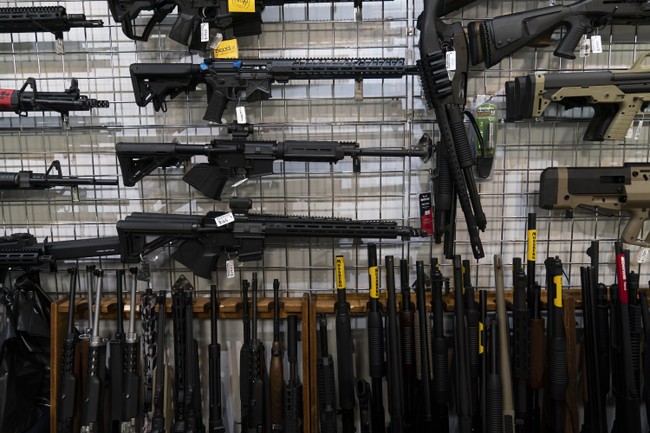
Canada’s latest attempt to confiscate lawfully owned firearms has hit a wall that even Ottawa can’t bulldoze with a press release. The Supreme Court’s decision to hear appeals means the Liberal government’s “assault-style” ban—already riddled with arbitrary classifications and retroactive criminalization—must pause while the judiciary decides whether the Charter’s guarantee of security of the person actually means something. By extending the amnesty to 2027, the government is tacitly admitting that its confiscation scheme is logistically impossible and politically radioactive; they’re buying time, not solving a problem. For Canadian gun owners this reprieve is less a victory than a stay of execution, but it also hands the grassroots more runway to organize, litigate, and expose the policy’s contradictions in court and at the ballot box.
The ripple effects for American Second Amendment advocates are immediate and instructive. Every time a neighboring democracy tries to normalize the idea that rights can be redefined by ministerial decree, it underscores why the U.S. Bill of Rights was deliberately placed beyond legislative whim. Canadian gun groups are now citing American due-process precedents and state-level sanctuary resolutions in their filings—an implicit recognition that the strongest firewall against confiscation is an armed, rights-literate citizenry that refuses to treat “common-sense” as a synonym for “surrender.” Watch for renewed pressure on U.S. politicians to block any back-door import bans or accessory restrictions that would mirror Canada’s ever-expanding prohibited list; the lesson is clear: once the definition of an “assault weapon” is ceded to bureaucrats, the list never stops growing.
Finally, the 2027 amnesty deadline sets up a high-stakes election cycle in both countries. If Canadian courts ultimately uphold the ban, expect a wave of non-compliance reminiscent of New Zealand’s post-Christchurch experience—hundreds of thousands of newly minted “criminals” who will not quietly line up at turn-in sites. That outcome would hand U.S. gun-rights organizations a powerful narrative: registration and prohibition regimes don’t eliminate firearms; they merely redistribute criminal liability onto otherwise law-abiding owners. The prudent move for American activists is to treat Canada’s courtroom drama as a live-fire exercise in legal defense and messaging, refining the arguments that will be needed the next time domestic confiscation proposals surface in Congress or state legislatures.


