

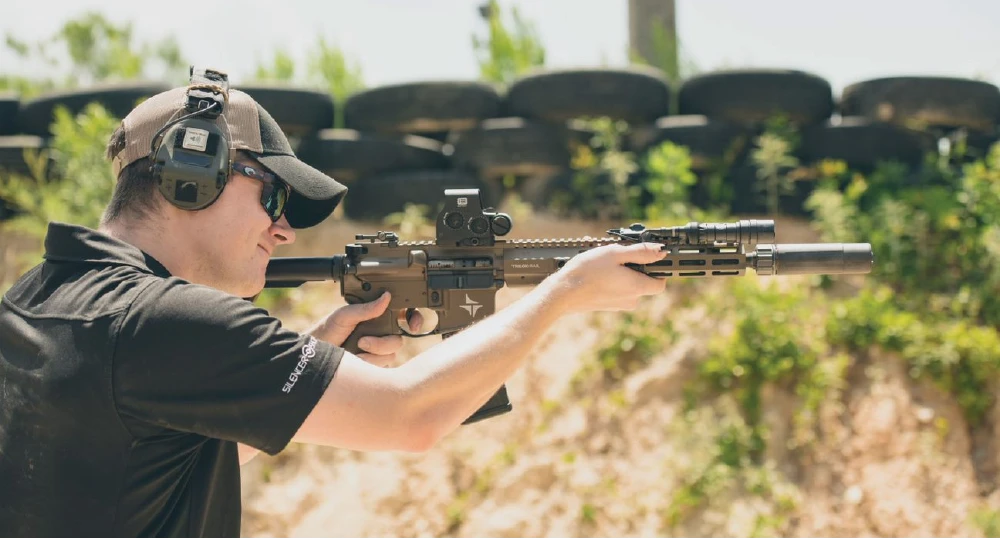
The question of whether a buddy can borrow your suppressor isn’t just a technicality—it’s a reminder that the National Firearms Act still treats these devices like contraband from another era. Under current ATF rules, only the individual whose name appears on the approved Form 4 can legally possess or use the can; handing it to anyone else, even for a single range session, is a felony transfer. That means the same government that claims suppressors are “nothing more than mufflers” still demands fingerprints, photographs, a $200 tax, and months of waiting before you’re allowed to quiet your own rifle—then criminalizes simple neighborly sharing that would be unremarkable with any other firearm accessory.
For the 2A community this isn’t merely an inconvenience; it’s evidence that the NFA’s architecture was built to discourage ownership rather than regulate risk. Law-abiding citizens who jump through every hoop still can’t let a friend test a $1,000 piece of kit without risking prosecution, while the same agencies turn a blind eye to truly dangerous actors. The result is a chilling effect: fewer range days, fewer new shooters introduced to hearing-safe shooting, and a lingering sense that the rules exist to keep the pool of suppressor owners artificially small and isolated.
The practical takeaway is straightforward—don’t share, don’t store someone else’s can at your house, and don’t assume “no one will know.” Instead, treat the restriction as fresh motivation to push for NFA reform or outright repeal. Every time a lawful owner has to explain to a friend why the suppressor must stay locked away, another voter learns how outdated and anti-Second Amendment these rules remain.


