

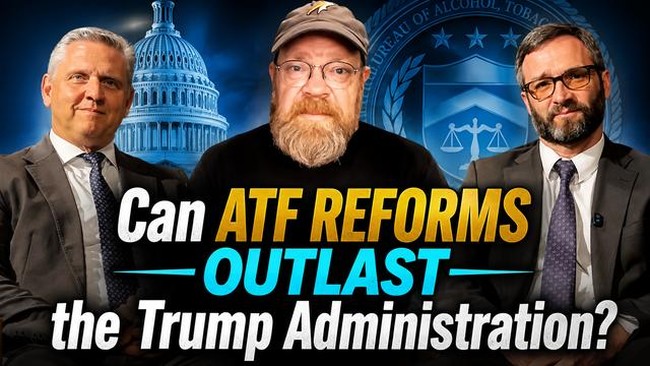
ATF Director Robert Cekada and Chief Counsel Robert Leider are quietly building a moat around the agency’s recent reforms, using internal policy directives, training mandates, and revised enforcement priorities that are deliberately harder for a successor administration to erase overnight. Rather than relying solely on the political winds of any single presidency, the agency is embedding these changes into its operational DNA—through updated guidance documents, field-office protocols, and even performance metrics that reward compliance with the new framework. For gun owners, this is both reassuring and a warning: the reforms may survive a change in the White House, but only if the Second Amendment community stays engaged enough to make any rollback politically costly.
The real leverage, however, lies outside ATF headquarters. When gun owners flood comment periods, attend industry roundtables, and keep pressure on Congress to codify reforms into statute, they turn temporary administrative tweaks into durable legal protections that future directors cannot simply ignore. Without that sustained grassroots involvement, even the most carefully crafted internal safeguards can be reinterpreted or quietly deprioritized once new leadership arrives. The lesson for the 2A community is clear: celebrating today’s improvements is only half the battle; the harder, ongoing work is ensuring those gains are locked in through legislation, litigation, and relentless oversight rather than left to the mercy of whoever occupies the director’s chair next.


