

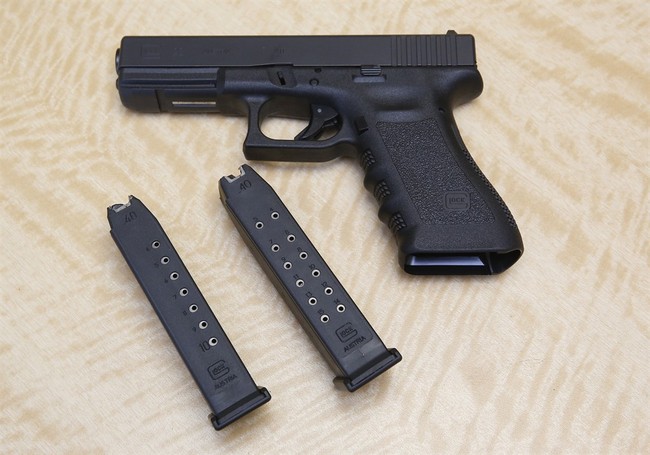
In Cambridge, a law-abiding citizen just proved what the 2A community has been saying for years: magazine-capacity restrictions don’t stop criminals, they only handicap the good guys. When an armed homeowner interrupted a violent home invasion, his lawfully owned ten-round magazine forced him to reload mid-fight—an unnecessary pause that could have turned deadly if the intruders had been better prepared. Meanwhile, the very same week, multiple gang-related shootings across the country were carried out with illegally modified or high-capacity magazines that the perpetrators obtained without the slightest regard for state law. The contrast couldn’t be starker: one man followed every rule and still needed every round he had, while career criminals treated magazine bans as background noise.
This episode exposes the central flaw in capacity-limit logic. Criminals already operate outside the law; they steal firearms, file off serial numbers, and convert magazines in minutes with a file or 3-D printer. Law-abiding owners, by contrast, must either buy multiple compliant magazines or accept a reload under stress—both of which add cost, complexity, and time. Data from the FBI’s active-shooter reports and state crime analyses consistently show that the overwhelming majority of gun crimes involve handguns with fewer than ten rounds fired, yet the political focus remains on an arbitrary number that only affects defensive shooters. The Cambridge incident simply dramatizes what the numbers already tell us: magazine restrictions are a feel-good measure that redistributes risk from predators to victims.
For the broader Second Amendment community, the takeaway is clear—defensive gun uses happen in seconds, not legislative sessions. Every restriction that adds a mechanical or procedural hurdle under duress is a tax on survival paid exclusively by the law-abiding. Rather than chasing cosmetic limits that criminals ignore, policymakers serious about public safety would focus on swift prosecution of violent felons and the removal of barriers to armed self-defense. The Cambridge hero survived because he was armed and trained; he shouldn’t have had to survive a magazine change as well.


