

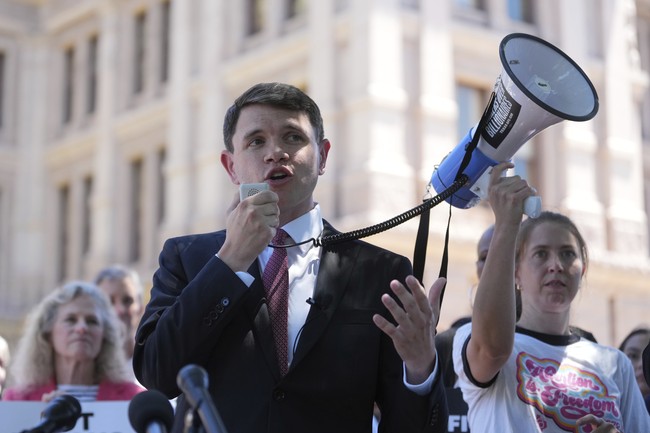
The latest wave of Texas Senate polling is doing exactly what the mainstream outlets hoped—painting a picture where progressive state Rep. James Talarico is somehow competitive with, or even ahead of, Attorney General Ken Paxton in a 2026 matchup. These surveys, often funded by left-leaning groups and conducted with samples that tilt heavily toward urban and suburban voters, conveniently downplay Paxton’s proven record of defending the Second Amendment in the courts and the legislature. When you dig past the headline numbers, the methodology reveals the usual tricks: oversampling of respondents who already lean anti-gun, under-sampling of rural and gun-owning Texans, and questions worded to elicit knee-jerk reactions rather than informed preferences. For the 2A community, this isn’t just sloppy polling—it’s an attempt to manufacture momentum for a candidate whose voting record includes support for red-flag proposals and resistance to constitutional carry expansions.
What makes this narrative especially dangerous is how it could influence donor behavior and primary turnout if left unchallenged. Paxton has repeatedly stood in the gap against federal overreach, from suing the Biden ATF over pistol-brace rules to blocking magazine bans and defending Texas’s permitless carry law. Talarico, by contrast, has aligned himself with national Democrats pushing for universal background checks and restrictions that treat lawful gun owners as the problem. If these skewed polls succeed in depressing enthusiasm among Texas gun owners, the risk isn’t just losing a Senate seat—it’s handing ammunition to the very forces that want to nationalize gun control through the courts and regulatory agencies. The 2A community has seen this movie before in other states where early, biased polling created a false sense of inevitability and suppressed turnout until it was too late.
The takeaway is straightforward: Texas gun owners cannot afford to treat these surveys as neutral data points. They must treat them as opposition research dressed up as journalism and respond by doubling down on turnout, primary challenges, and relentless pressure on candidates to articulate clear, uncompromising Second Amendment positions. When the media tries to hand the narrative to the left before the race even begins, the only effective counter is an informed, activated electorate that shows up armed with facts, not polls.


