

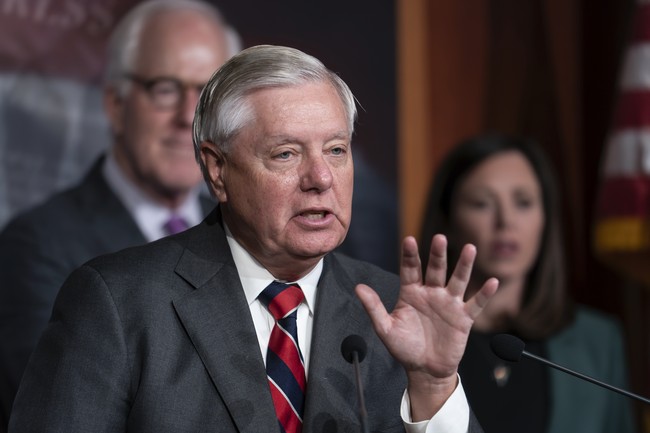
The sudden passing of Sen. Lindsey Graham at 71 marks the end of a long and often contradictory career that left the Second Amendment community with mixed feelings. While Graham occasionally voiced support for background checks and red-flag laws that drew sharp criticism from pro-2A circles, he also stood as a reliable vote against sweeping gun-control packages and helped block several high-profile assault-weapon measures in recent years. His death removes a veteran institutional player whose procedural savvy and Senate relationships could have mattered in the next Congress, where even narrow majorities will decide whether incremental restrictions advance or stall.
For gun owners, the immediate implication is uncertainty over who fills the vacancy and how that seat tilts the balance on the Judiciary Committee and floor votes. South Carolina’s governor will appoint a temporary replacement, but the special election that follows could become a referendum on whether voters want a more uncompromising defender of constitutional carry and national reciprocity or someone willing to negotiate “common-sense” compromises. Either way, the loss of an experienced voice—however imperfect—reminds the community that every Senate seat remains a battleground that can shift overnight.
Beyond the Capitol, Graham’s death underscores how fragile legislative coalitions are when it comes to protecting the right to keep and bear arms. Pro-2A groups will now have to recalibrate their outreach, identifying new allies and reinforcing grassroots pressure before any lame-duck session or incoming majority attempts to exploit the vacancy. In short, the story is less about one senator’s obituary and more about the perpetual need for vigilance: rights are preserved not by personalities, but by sustained political engagement at every level.


