

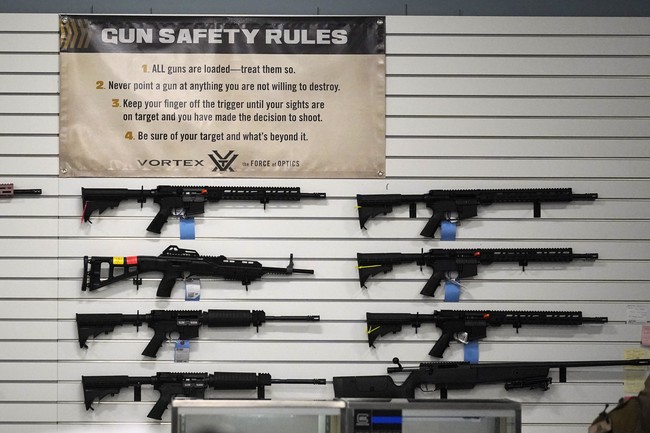
The second federal judge to block Virginia’s sweeping gun and magazine restrictions isn’t just repeating a legal technicality—he’s underscoring a growing judicial consensus that the state’s attempt to criminalize common semiautomatic rifles and standard-capacity magazines runs headlong into the plain text and historical tradition the Supreme Court demanded in Bruen. By finding that law-abiding citizens are likely to succeed on the merits, the court has effectively told Richmond that it cannot simply wish away the Second Amendment’s presumptive protection of arms “in common use” for lawful purposes. That message lands with particular force in a state whose attorney general once promised to make ownership of an AR-15 a felony; the injunction keeps those penalties from taking effect while the litigation plays out, preserving the status quo for tens of thousands of Virginians who rely on these firearms for sport, training, and defense.
What makes this development especially telling is the speed and geographic spread of the pushback. Just weeks after the first injunction, a second courtroom—operating under a different docket and different plaintiffs—reached the same conclusion, suggesting the constitutional defects are not close calls but structural. For the 2A community this is more than procedural breathing room; it is live confirmation that post-Bruen courts are willing to scrutinize magazine bans and “assault weapon” prohibitions with the same historical rigor applied to carry restrictions. The practical effect is immediate: FFLs can keep stocking standard-capacity magazines, competition shooters can continue training without fear of retroactive criminality, and families who chose modern semiautomatic rifles for home defense are not forced into a rushed, expensive divestiture.
Longer term, the paired injunctions tighten the timeline for any eventual Supreme Court review. If Virginia appeals, the Fourth Circuit will confront two separate district-court findings that the banned arms are constitutionally protected—an unusually strong record that could accelerate a circuit split and force the justices’ hand. In the meantime, the rulings serve as both shield and signal: a shield for current owners and a clear signal to other states contemplating copy-cat legislation that courts are no longer treating the Second Amendment as a second-class right subject to legislative mood swings.


