

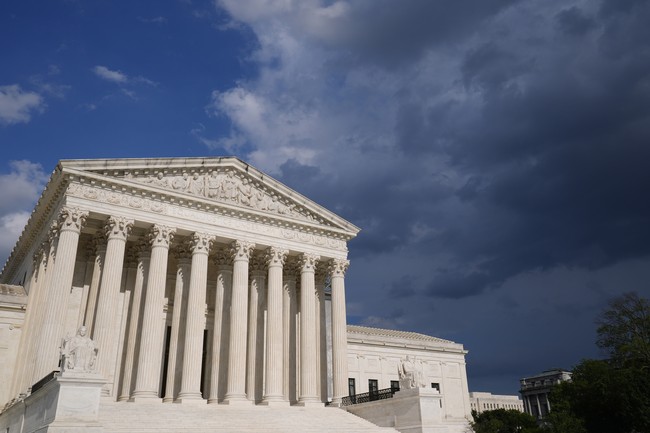
The Supreme Court’s decision to block the prosecution of a gun owner solely for marijuana use marks a pivotal shift in how the Second Amendment is being interpreted in the age of expanding cannabis legalization. Rather than treating marijuana possession as an automatic disqualifier under federal gun laws, the Court is signaling that such blanket prohibitions may no longer pass constitutional muster when they clash with the fundamental right to keep and bear arms. This isn’t just a technical ruling—it’s a recognition that millions of otherwise law-abiding citizens in states where marijuana is legal are being caught in an outdated federal trap that treats a joint like a violent felony.
For the 2A community, this development underscores a growing judicial skepticism toward the government’s expansive use of prohibited-person categories to disarm citizens without individualized findings of dangerousness. It echoes the logic in Bruen and Rahimi that restrictions on constitutional rights must be rooted in the nation’s historical tradition, not modern bureaucratic preferences. Gun owners who also use cannabis in compliance with state law now have stronger grounds to challenge the ATF’s enforcement posture, and the ruling could open the door to broader scrutiny of other status-based disqualifiers that lack clear historical analogues.
The practical takeaway is clear: the Court is unwilling to let the federal government weaponize one set of policy choices—drug prohibition—to nullify another core constitutional protection. As more states legalize marijuana and public attitudes shift, this decision pressures lawmakers and regulators to reconcile conflicting statutes rather than force gun owners into an impossible choice between their rights and personal conduct. It’s a reminder that the Second Amendment isn’t a second-class right that yields to every regulatory trend, and the 2A community should treat this as both a victory and a call to keep pressing for consistent application of constitutional protections across all disfavored groups.


