

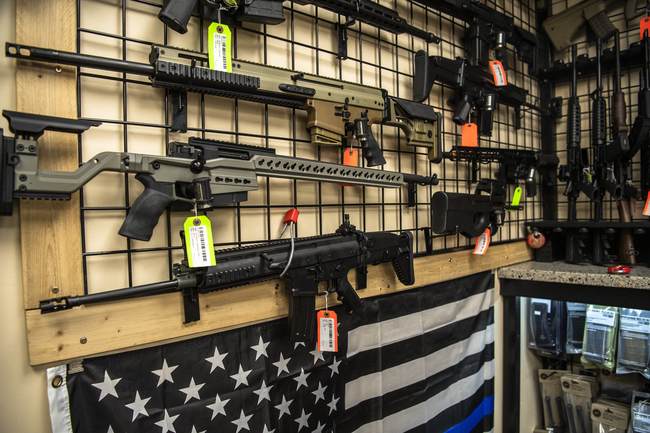
A federal judge just handed Virginia’s gun-control crowd a stinging defeat by granting a preliminary injunction that halts enforcement of the state’s newly minted ban on so-called “assault weapons” and standard-capacity magazines. The ruling underscores what pro-2A litigators have long argued: when a law burdens the core right to keep and bear arms for law-abiding citizens, courts can—and should—step in before the damage is done. By recognizing that these restrictions likely violate the Second Amendment under the post-Bruen framework, the court has effectively bought time for the constitutional challenge to play out without citizens being disarmed in the interim.
What makes this decision especially noteworthy is the speed and clarity with which the judge applied the Supreme Court’s history-and-tradition test. Rather than deferring to legislative hand-waving about “public safety,” the court demanded actual evidence that the banned arms are somehow outside the scope of protection—an evidentiary bar the state could not clear. That approach sends a clear message to other jurisdictions eyeing magazine limits or feature-based rifle bans: courts are no longer willing to rubber-stamp restrictions simply because they carry the imprimatur of a legislative majority.
For the broader Second Amendment community, the injunction is both a tactical win and a strategic reminder. It demonstrates that aggressive, well-funded litigation can still secure immediate relief even in deep-blue states, and it keeps lawfully owned firearms in citizens’ hands while the merits are litigated. At the same time, the case is a warning that the fight is far from over; anti-gun lawmakers will almost certainly appeal, and similar measures are already queued up in other capitals. The lesson is straightforward: victories in court must be paired with sustained vigilance at the ballot box and in the culture if the right to keep and bear arms is to remain secure.


