

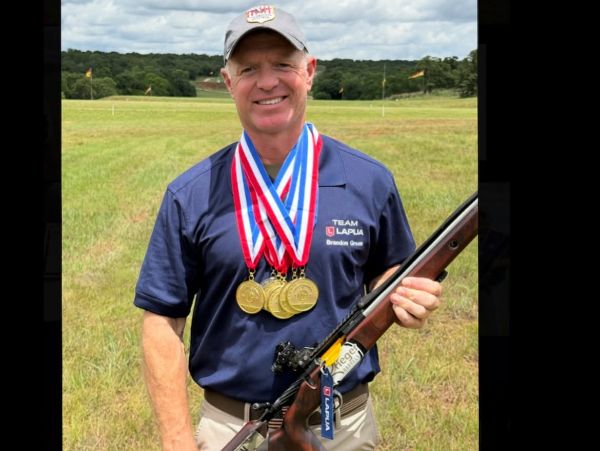
Brandon Green’s runner-up finish at the 2026 NRA National High Power Mid-Range Prone Championships is more than a personal milestone—it’s a vivid reminder that precision rifle competition remains one of the most effective proving grounds for the skills and gear that keep the Second Amendment relevant. Shooting an aggregate just behind the winner, Green demonstrated that today’s high-power prone game is no longer simply about iron-sight marksmanship; it’s a laboratory where handload development, stock ergonomics, and optic repeatability are pushed to their limits under strict NRA rules that mirror real-world defensive and service-rifle applications. Every tenth of an inch he saved on the target translates directly into the same data points private citizens and professional instructors use when they advocate for access to match-grade ammunition and precision platforms.
What makes Green’s performance especially noteworthy is the ecosystem behind it. Team Lapua’s involvement underscores how commercial manufacturers invest serious R&D dollars into components that trickle down to civilian competitors and, ultimately, to every gun owner who values accuracy over compromise. The event’s location in Oklahoma also matters: a state whose permissive carry laws and active shooting culture create a feedback loop between competition results and everyday carry choices. When a Lapua-sponsored shooter posts elite scores with factory brass and bullets readily available on the civilian market, it undercuts the tired narrative that “only the military” needs such equipment and instead shows that ordinary citizens are both willing and able to master it.
For the broader 2A community, these championships function as quiet but powerful soft-power advocacy. They generate measurable performance data that can be cited in legislative hearings, they produce role models who embody disciplined firearm use, and they keep pressure on regulators who might otherwise dismiss semi-auto and precision platforms as unnecessary for lawful owners. Green’s silver-medal ride is therefore not merely a sports footnote; it’s another brick in the ongoing case that the right to keep and bear arms includes the right to shoot them exceptionally well.


