

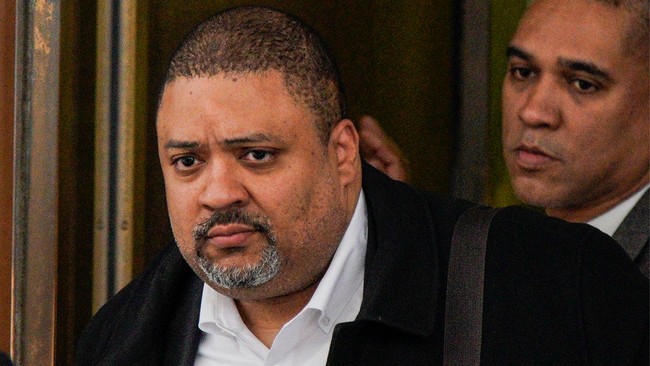
In a move that reeks of desperation, Manhattan DA Alvin Bragg and a coalition of anti-2A prosecutors are pressuring 3D printer manufacturers to cripple their own machines—essentially demanding they install digital handcuffs that would prevent users from printing firearm components. This isn’t about safety; it’s about control. By targeting the hardware itself rather than actual criminals, these officials reveal their true aim: to choke off a technology that empowers individuals to exercise their rights outside the reach of government gatekeepers. The 3D printing revolution has already democratized manufacturing in ways that terrify the gun-control crowd, and their latest gambit shows they’d rather punish innovation than confront the fact that determined people will always find ways to build what they need.
What makes this push especially cynical is how it sidesteps the real issues of crime and enforcement. Instead of focusing resources on prosecuting violent offenders or securing cities plagued by repeat criminals, Bragg and his allies want to turn private companies into de facto regulators, forcing them to bake restrictions into consumer products. This mirrors the same flawed logic we’ve seen with “smart guns” and magazine limits—solutions that burden law-abiding citizens while doing nothing to deter those already breaking the law. For the 2A community, the message is clear: any technology that enhances self-reliance will face coordinated attacks from officials who view an armed populace as a threat rather than a constitutional cornerstone.
The broader implication is that this isn’t an isolated skirmish but part of a larger pattern where anti-2A forces attempt to regulate the means of production itself. If they succeed in pressuring printer makers, it sets a dangerous precedent that could extend to CNC mills, laser cutters, and any future tool that lowers the barrier to lawful firearm ownership and customization. The 2A community should treat this as a warning shot and respond by supporting manufacturers who refuse to compromise, investing in open-source designs that can’t be remotely throttled, and making it politically costly for prosecutors to wage war on technology rather than on crime. In the end, rights don’t depend on permission from Bragg or anyone else—they depend on the people’s willingness to defend the tools that make those rights real.


