

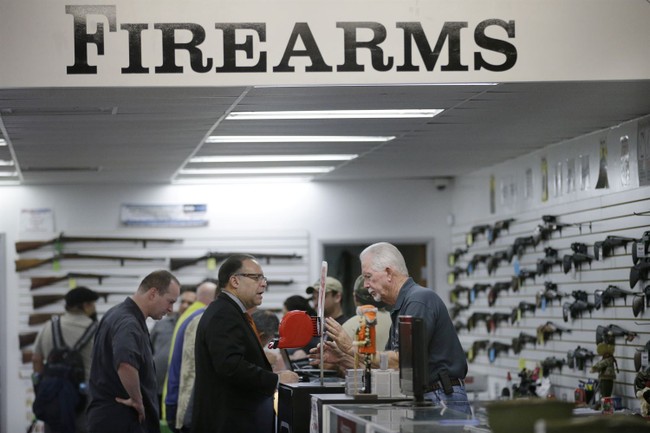
Brady’s latest alliance with Los Angeles County Supervisor Hilda Solis to single out a specific California gun-store chain is less about public safety and more about weaponizing local bureaucracy against lawful commerce. By framing routine FFL compliance as a “public-health crisis,” the pair is pushing supervisors to impose new layers of red tape—extra inspections, signage mandates, and possible license conditions—that would apply only to one retailer. That selective targeting sets a dangerous precedent: if activists can convince one county board to treat a single business as a regulatory piñata, nothing stops them from repeating the tactic against every FFL holder who refuses to self-censor or relocate.
For California’s shrinking roster of gun stores, the move underscores how anti-Second-Amendment groups have shifted from pushing statewide legislation to “venue shopping” at the city and county level, where turnout is low and media scrutiny lighter. Each new restriction raises operating costs, scares away insurance carriers, and accelerates the consolidation of an already fragile market. Law-abiding owners who simply want to exercise their rights now face a slow-motion squeeze that never quite triggers a facial constitutional challenge because the rules are dressed up as “time, place, and manner” tweaks.
The 2A community should treat this as an early-warning flare. Coordinated pressure campaigns at the county level can achieve through attrition what courts have so far blocked outright. Tracking every Brady-backed supervisor motion, flooding public-comment periods, and preparing preemptive litigation are no longer optional; they are the cost of staying in business in a state where the right to keep and bear arms is treated as a conditional privilege rather than a constitutionally protected liberty.


