

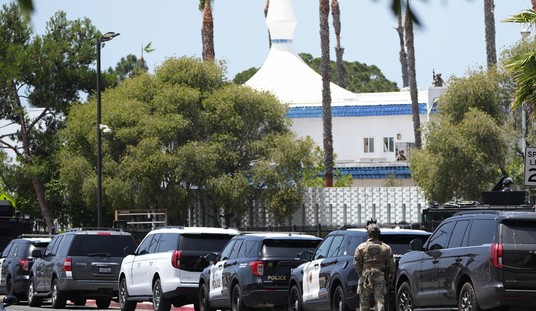
Brady Flack’s assertion that California’s gun laws somehow spared lives during the mosque attack collapses under even casual scrutiny of the facts on the ground. The shooter was already a prohibited person operating outside every restriction Sacramento could dream up, yet the narrative insists that one more background check or magazine limit would have altered the outcome. In reality, the only variable that consistently changes casualty counts in these attacks is how quickly armed resistance appears, and California’s permitting regime makes that response slower and more legally fraught for the very citizens most likely to be present.
What makes the claim especially galling to the 2A community is the selective amnesia about prior incidents where armed civilians ended threats before police arrived. By framing every defensive gun use as an outlier rather than data, anti-gun spokespeople like Flack keep the policy debate anchored in emotion rather than the FBI’s own active-shooter studies showing that armed citizens frequently shorten attacks. California’s layered restrictions—assault-weapon bans, magazine limits, may-issue carry—function less as public-safety tools and more as litigation tripwires that disarm the law-abiding while leaving determined attackers undeterred.
For gun owners watching this cycle repeat, the takeaway is clear: every new “life-saving” restriction will be cited as proof that still-stricter rules are needed the next time a prohibited person commits violence. The 2A response must therefore stay relentlessly factual—documenting defensive gun uses, highlighting the failure of existing prohibitions, and underscoring that rights exercised by trained carriers have repeatedly outperformed the paper barriers politicians prefer to tout.


