

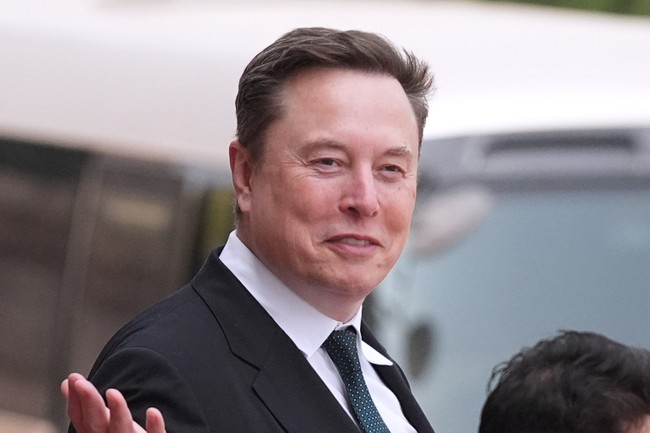
Elon Musk’s latest media takedown wasn’t just another Twitter spat—it was a masterclass in how concentrated information control threatens every enumerated right, including the Second Amendment. When legacy outlets tried to paint his free-speech absolutism as reckless, Musk flipped the script by reminding viewers that the same editorial gatekeepers who once buried stories about Hunter Biden’s laptop also spent years gaslighting the public on “assault weapons” and “gun-show loopholes.” The moment resonated because it exposed the pipeline: narrative-first reporting → public misperception → pressure on lawmakers to restrict rights before facts can catch up.
For the 2A community, the exchange underscored a strategic truth: platforms that can de-boost, demonetize, or outright ban lawful speech can just as easily throttle discussion of self-defense, training, or lawful carry. Musk’s insistence that sunlight is the best disinfectant applies directly to ATF rulemakings, pistol-brace reclassifications, and the quiet expansion of “red flag” laws—policies that thrive when citizens can’t see the data or debate the details. If the town square is algorithmically curated, the right to keep and bear arms risks becoming a permission slip doled out by the same curators.
The deeper implication is cultural rather than technological. Musk’s willingness to absorb advertiser boycotts and regulatory threats signals that at least one major distribution channel now values primary sources over institutional stenography. That shift matters for gun owners who have watched years of selective framing turn isolated incidents into “epidemics” used to justify magazine bans and universal background checks. A genuinely open platform won’t magically restore constitutional protections, but it removes one of the most effective tools the restriction lobby has: the ability to make dissent itself controversial.


