

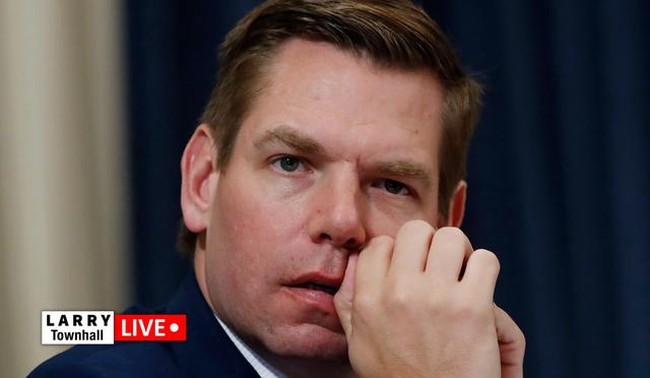
The latest revelations about the FBI’s awareness of Fang-Fang’s illegal donations to Eric Swalwell are more than just another Beltway scandal—they’re a flashing red light on how deeply compromised some members of Congress have become. Swalwell’s long-standing ties to a Chinese intelligence operative weren’t just overlooked; they were apparently known, yet the congressman remained on the House Intelligence Committee with access to sensitive national-security briefings. For Second Amendment advocates, this isn’t abstract. Swalwell has repeatedly pushed “assault-weapon” bans, magazine restrictions, and red-flag laws that would disarm law-abiding citizens while showing astonishingly poor judgment about who should be allowed near America’s secrets. If the Bureau sat on evidence of foreign cash flowing into his campaign, it raises the obvious question of whether political protection, not public safety, is driving the gun-control agenda he champions.
The ripple effects extend beyond one California Democrat. When lawmakers with documented foreign entanglements continue to shape firearms policy, the 2A community’s skepticism about “reasonable restrictions” hardens into outright distrust. Every new disclosure fuels the argument that the real threat to public safety isn’t the law-abiding gun owner—it’s the revolving door between compromised politicians, federal agencies, and the donor class that props them up. Until Congress cleans its own house, expect gun owners to treat any fresh call for “common-sense” gun control as just another power grab dressed up in national-security rhetoric.


