

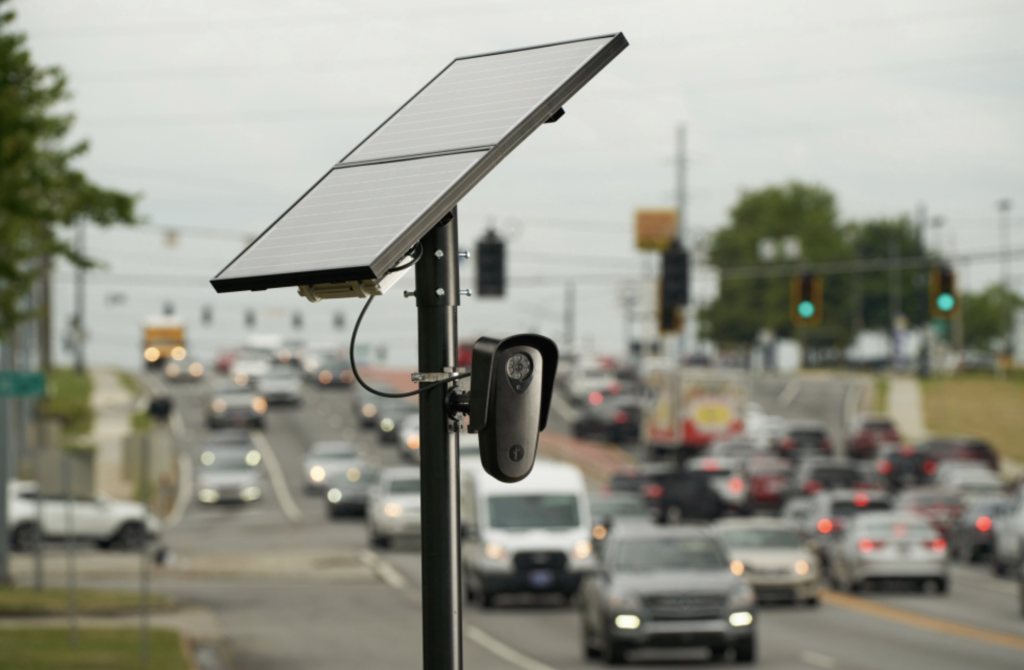
The bill’s real target isn’t just the cameras—it’s the quiet marriage of surveillance tech and federal databases that turns every parking-lot snapshot into a de-facto gun-owner registry. Flock’s license-plate readers already feed into fusion centers that cross-reference plates with concealed-carry permits, NICS delays, and even social-media posts; add facial recognition and the government no longer needs a warrant to know who attended the last gun show or visited a gun shop. By cutting off federal dollars, the legislation slams the funding pipeline that lets agencies treat the Second Amendment as a data point rather than a right.
For the 2A community, this is a preemptive strike against the “compliance by database” model that has already chilled lawful activity in states where permit lists were leaked or subpoenaed. Law-abiding carriers shouldn’t have to weigh the risk that an evening at the range will generate an entry in a fusion-center dossier; the bill makes that calculation unnecessary by starving the infrastructure before it matures. If it passes, expect lawsuits testing whether perpetual biometric tracking of lawful gun owners violates the Fourth Amendment’s “papers and effects” in the digital age.
The deeper implication is cultural: once surveillance becomes cheap and ubiquitous, political pressure to expand its scope grows. Cutting the money now is easier than litigating expansive “public-safety” exceptions later. In short, the legislation isn’t anti-technology—it’s pro-privacy, and therefore pro-Second Amendment, because an armed citizenry that must live under constant digital watch is only notionally free.


