

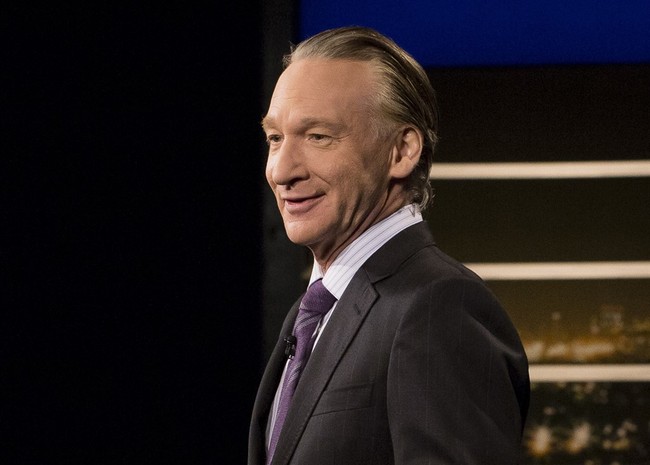
Bill Maher’s recent pushback against California’s restrictive gun laws marks a notable moment of ideological friction within progressive circles, where self-defense is often framed as a privilege rather than a fundamental right. By highlighting how these statutes disproportionately disarm law-abiding citizens while doing little to deter criminals, Maher inadvertently validates a core Second Amendment argument: that the right to keep and bear arms is not contingent on political affiliation or coastal zip codes. His willingness to question the efficacy of “may-issue” permitting and magazine bans suggests that even among those who typically champion expansive government oversight, the practical realities of personal protection are beginning to erode long-held assumptions.
For the 2A community, this isn’t merely a celebrity soundbite—it’s a potential crack in the cultural monolith that has long equated gun ownership with extremism. When a high-profile liberal voice concedes that law-abiding people deserve the means to defend themselves, it undercuts the narrative that support for the Second Amendment is the exclusive domain of rural conservatives or NRA members. The implications extend beyond California’s courtrooms; if Maher’s critique gains traction, it could embolden moderate Democrats in other states to reexamine policies that treat the right to bear arms as a revocable license rather than a constitutional guarantee.
Ultimately, Maher’s comments serve as a reminder that the fight for gun rights isn’t solely about legislation—it’s about shifting cultural perceptions. As more public figures acknowledge the disconnect between elite security details and the average citizen’s vulnerability, the 2A movement gains unexpected allies who may not share its broader worldview but recognize the universal human need for self-preservation.


