

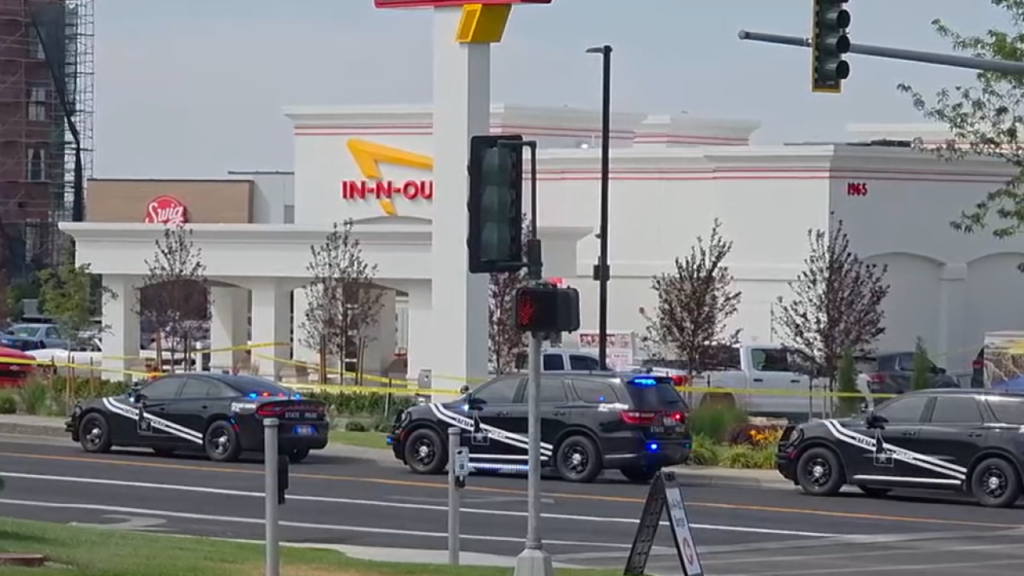
The data keeps piling up in the most inconvenient way for those who insist that only the police can keep us safe: armed citizens are interrupting active shootings and other violent crimes at a rate that’s impossible to ignore. While the average police response time in many cities hovers between six and twelve minutes, a determined attacker can empty a magazine in under thirty seconds. That gap is where the armed citizen operates—often without fanfare, sometimes without even being named in the news, yet increasingly credited with ending the threat before more lives are lost. The pattern isn’t theoretical; it’s showing up in police reports, body-cam footage, and the quiet gratitude of survivors who didn’t have to wait for sirens.
What makes these interventions especially telling is how rarely they escalate into the bloodbaths critics predict. Time and again, a single lawfully armed person draws, issues a command, or fires the minimal shots necessary to stop the threat, and the situation de-escalates. That outcome undercuts the narrative that more guns automatically mean more chaos; instead, it suggests that the presence of trained, armed civilians can compress the timeline of violence from minutes down to seconds. For the 2A community, each verified case is another data point against the “waiting is the only responsible option” argument, reinforcing that self-reliance isn’t recklessness—it’s a recognition that seconds matter when the threat is already inside the door.
The broader implication is cultural as much as statistical. Every story of an armed civilian stopping an attack chips away at the notion that the police are the sole legitimate first responders. It reframes the Second Amendment not as a hobbyist’s clause or a relic, but as a living mechanism that distributes the responsibility for public safety across the very people who are already on the scene. As more of these incidents surface, the conversation shifts from whether civilians should be armed to how quickly and effectively they can be trained to act when seconds truly count.


