

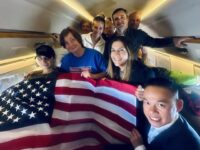
Dr. Sebastian Gorka’s retelling of how a small, determined network of Americans pulled Marine veteran Robert Gilman out of a Russian black-site prison is more than a rescue story—it is a living demonstration of why the Second Amendment still matters in the twenty-first century. Gilman, a former U.S. Marine, was snatched by Russian authorities on fabricated charges while traveling abroad; his family was told he would “never see daylight again.” What the Kremlin did not count on was a constellation of private citizens—veterans, diplomats, and yes, armed Americans—who refused to outsource his freedom to slow-moving bureaucracies. Gorka’s account makes clear that the decisive edge came from individuals who could move fast, speak bluntly, and, when necessary, carry the tools of self-defense that tyrants instinctively fear. In a world where passports can be nullified overnight and consular access can be denied for months, the ability of free men and women to project credible, lawful force remains the ultimate backstop against despotism.
For the 2A community the lesson is both sobering and energizing. Every range session, every legal-carry class, every vote that protects shall-issue permitting is an investment in the same deterrent posture that helped spring Gilman. The Marine’s liberation did not hinge on a UN resolution; it hinged on Americans who retained the skills, networks, and mindset the Founders trusted would keep citizens beyond the reach of foreign dungeons. That same mindset explains why infringements on domestic carry rights are never just local policy disputes—they are incremental erosions of the leverage that keeps Americans from becoming convenient hostages. Gilman is home because enough of his countrymen still believe that liberty is something you can both vote for and, if necessary, defend.


