

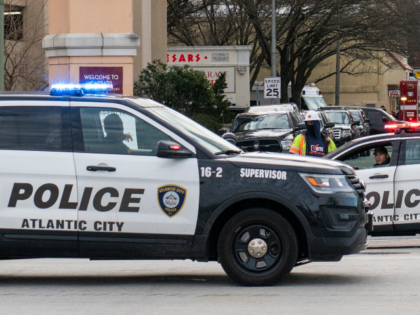
In the span of a few chaotic minutes on an otherwise ordinary Tuesday afternoon, Atlantic City reminded the nation why the right to keep and bear arms is not an abstract debating point but a daily reality for the men and women who answer the call. Two officers were wounded and a suspect was neutralized in a rapid exchange of gunfire, underscoring that law-enforcement encounters can turn lethal in an instant and that split-second decisions often hinge on who is armed and how quickly they can respond. While the suspect’s identity and motive remain under investigation, the outcome—officers alive, threat eliminated—illustrates the grim arithmetic that every patrol briefing quietly acknowledges: when seconds count, the closest firearm is usually the one already on scene.
For the 2A community, the incident is another data point in an ongoing national conversation about training, equipment, and mindset. Departments that emphasize realistic force-on-force drills and encourage off-duty carry are statistically better positioned to survive these ambushes, yet political pressure in some jurisdictions continues to treat armed citizens and armed officers as separate policy problems rather than complementary layers of deterrence. The fact that the suspect was stopped by return fire rather than negotiation or retreat also quietly rebuts the notion that “de-escalation only” policies can substitute for decisive armed response when an assailant has already chosen violence.
Beyond the immediate tactical lessons, the shooting highlights the broader cultural stakes. Every time an officer survives because he or she could meet force with force, the argument for shall-issue carry, constitutional carry, and the right of trained citizens to be armed in public gains practical credibility. Conversely, cities that disarm or demoralize their police while simultaneously restricting lawful self-defense invite the very predation these officers confronted. Atlantic City’s brief but lethal gunfight is therefore not merely local news; it is a microcosm of why the Second Amendment remains the ultimate backstop when government protection arrives too late or proves insufficient.


