

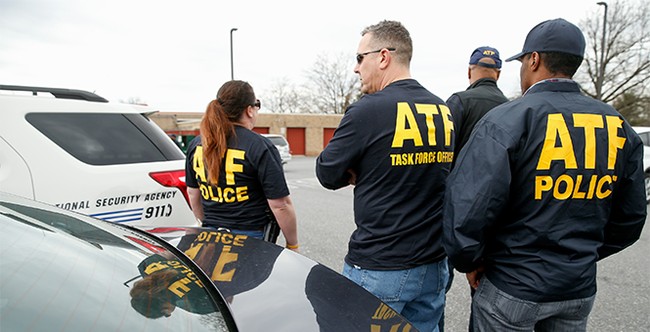
The ATF’s sudden reversal on easing dealer-to-dealer transfers caught many in the industry off guard, but the move is less about softening enforcement and more about preserving the agency’s ability to keep the regulatory screws tight. By walking back a proposed tweak that would have let FFLs move inventory between locations with fewer hoops, the Bureau signaled it would rather maintain the current paperwork drag than risk creating a clearer lane that gun owners and dealers could actually use. That decision fits a familiar pattern: when a rule threatens to make compliance simpler or faster, the default response is to keep the friction in place so the administrative state retains maximum leverage.
For the 2A community the takeaway is straightforward—regulatory “relief” from this administration is almost always conditional and reversible. The same agency that floated the change can yank it back without new legislation, reminding everyone that real, durable reform still has to come from Congress or the courts rather than internal ATF guidance. Dealers who had started planning around the lighter process now face continued delays and added costs, while everyday buyers absorb those inefficiencies in the form of slower transfers and higher overhead passed along at the counter.
Longer term, the episode underscores why lawsuits and legislative pushes remain essential tools. When an agency can flip its own policy overnight, the only durable protection for lawful commerce is a statutory or constitutional backstop that doesn’t depend on whoever happens to be running the Bureau. Until that happens, expect more of these quiet walk-backs dressed up as prudent second thoughts.


