

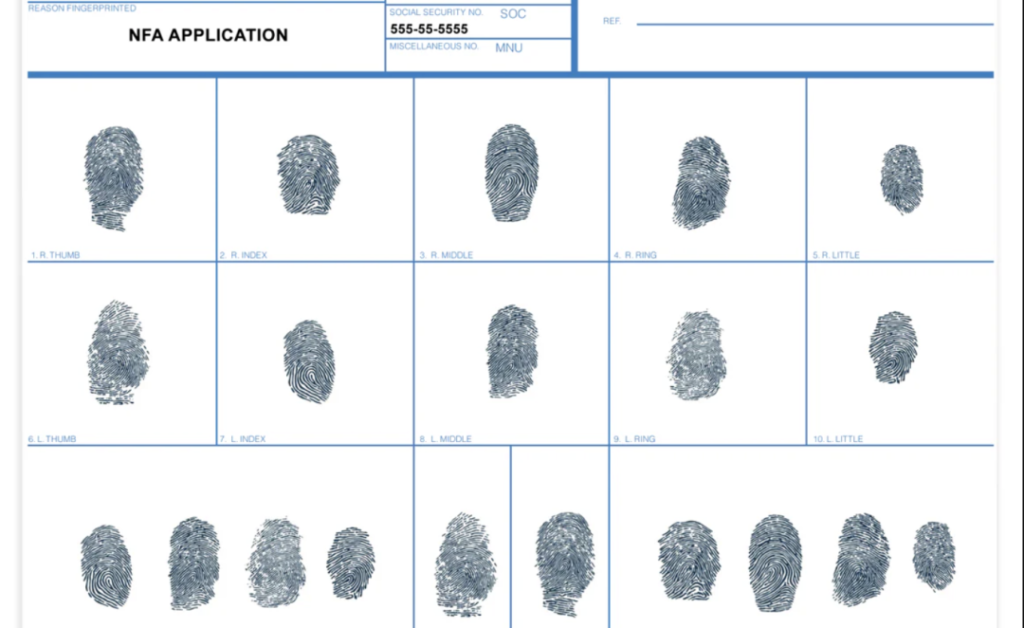
The ATF’s quiet admission that fingerprints have proven useful in fewer than one percent of NFA applications is the kind of bureaucratic self-own that rarely sees daylight. By proposing to drop the requirement for multiple fingerprint cards and to relax the passport-photo rule on Forms 1 and 4, the agency is essentially conceding that decades of paperwork have done little more than create friction for law-abiding citizens. That friction, of course, has always been the point: every extra card, every extra photo, every extra trip to the post office functions as a soft tax on the exercise of a constitutional right. When the regulator itself labels the burden “largely useless,” the 2A community gains fresh ammunition in the argument that NFA rules are less about public safety than about administrative control.
What makes the proposal especially telling is the timing. The same agency that spent years expanding its interpretation of “machine gun” and “rifle” is now trimming the very paperwork it once insisted was indispensable. That shift suggests either genuine recognition that the old regime was pointless theater or, more cynically, an attempt to blunt litigation and legislation aimed at rolling back the entire NFA apparatus. Either way, the move lowers one more barrier between citizens and the short-barreled rifles, suppressors, and other items that remain heavily regulated. For the millions of Americans who already treat the NFA process as an expensive endurance test, even modest relief is welcome; for those still on the fence about entering the registry, it may tip the scale.
The larger implication is that incremental deregulation, however small, keeps the Overton window moving in the right direction. Each eliminated fingerprint card or relaxed photo requirement chips away at the presumption that the Second Amendment must be rationed through endless forms. If the ATF can admit that its own data-collection rituals accomplish almost nothing, the next logical question becomes why the underlying restrictions exist at all. The 2A community should treat this proposal not as a gift from regulators but as evidence that the regulatory state’s grip is loosening—one fingerprint card at a time.


