

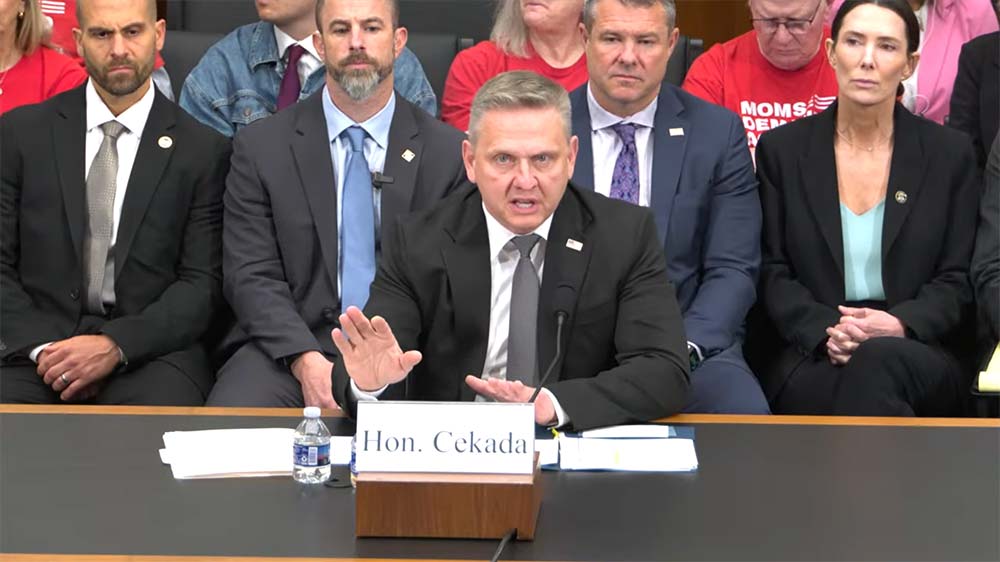
The accidental release of unredacted ATF gun trace data to Gun Owners of America has reignited a long-simmering debate over the Tiahrt Amendment, exposing just how fragile the firewall between raw law-enforcement records and political weaponization really is. Director Cekada’s congressional testimony revealed not only bureaucratic sloppiness but also the deeper truth that trace data—never intended to track lawful owners—can be twisted into misleading “crime gun” narratives that paint every FFL as a pipeline to violence. For the 2A community, this episode underscores why the amendment’s restrictions on disclosure remain essential: without them, activists and agencies alike gain ammunition to pressure dealers, chill lawful sales, and manufacture statistics that justify further regulatory creep.
Beyond the immediate embarrassment for the ATF, the leak illustrates how even one unsecured spreadsheet can fuel the same tired arguments that treat every traced firearm as evidence of systemic dealer failure rather than the predictable result of criminals stealing guns or straw purchasers exploiting background-check gaps. The partisan fireworks on Capitol Hill made clear that one side sees Tiahrt as an inconvenient obstacle to “transparency,” while the other recognizes it as a deliberate safeguard against turning routine traces into a national registry by another name. Going forward, the 2A community should treat this incident as both a warning and an opportunity—pushing for stricter internal controls at the ATF while reminding lawmakers that any erosion of Tiahrt would hand future administrations a ready-made tool for targeting lawful commerce under the guise of public safety.


