

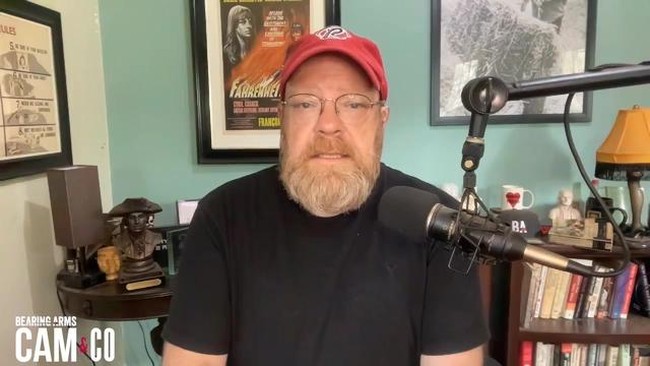
ATF Director Robert Cekada’s recent remarks signal a deliberate pivot away from the agency’s long-standing habit of treating every FFL and gun owner as a presumptive threat, and that shift matters more than the press release suggests. By publicly declaring that violent criminals—not paperwork errors or lawful transfers—are now the priority, Cekada is acknowledging what the 2A community has argued for years: the vast majority of federal gun cases involve prohibited persons who already broke the law long before they touched a firearm. The optics are useful, but the real test will be whether field agents and prosecutors actually reallocate resources away from chasing “rogue” gun shops and toward the repeat offenders whose cases have historically been plea-bargained down or ignored.
The timing is no accident. With proposed rules on pistol braces, receiver definitions, and dealer licensing still winding through the comment process, the agency appears to be trying to blunt accusations that it is more interested in regulating the compliant than disarming the dangerous. If the new posture holds, it could reduce the chilling effect that aggressive inspections and novel enforcement theories have had on small FFLs and private sellers. Yet the 2A community should watch the metrics: arrest numbers, case filings, and the ratio of prohibited-person prosecutions versus regulatory actions will reveal whether this is a genuine reorientation or simply a messaging campaign ahead of the next election cycle.


