

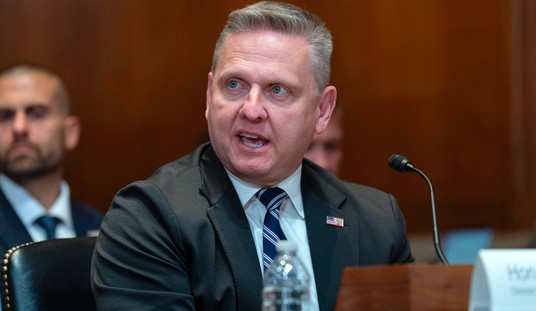
ATF Director questions the unusually harsh 20-year sentence of Navy veteran Patrick Adamiak. In a surprising break from the agency’s usual lockstep defense of its enforcement actions, Director Steve Dettelbach has reportedly expressed private concerns about the length of the federal prison term handed down to the decorated veteran, raising eyebrows across the firearms community and hinting at possible cracks in the DOJ’s aggressive charging strategy. Adamiak’s case, which involved technical violations of National Firearms Act regulations surrounding suppressors and alleged straw-purchase allegations, has long been viewed by Second Amendment advocates as a classic example of federal overreach where a non-violent offender with no criminal history was treated like a cartel enforcer.
What makes this development particularly noteworthy is the optics: when the head of the very agency responsible for the investigation starts questioning the sentence’s severity, it undercuts the narrative that these prosecutions are purely about “public safety.” Adamiak, like so many others caught in the ATF’s expanding net of regulatory tripwires, discovered that modern federal firearms law functions less like clearly written statutes and more like an ever-shifting minefield designed to produce felons out of otherwise law-abiding gun owners. The 20-year hammer, which included enhancements that stacked like a Jenga tower of bureaucratic creativity, stands in stark contrast to far lighter sentences often seen in cases involving actual violence. This disparity fuels the growing belief in the 2A community that selective prosecution and charging stacking have become primary tools for the ATF to generate headlines and justify its budget rather than target genuine threats.
For gun owners, veterans, and constitutionalists, the Director’s reported skepticism offers a rare moment of institutional self-reflection that should be seized upon. It highlights how easily a lifetime of honorable service can be erased by paperwork violations and how federal sentencing guidelines, combined with prosecutorial discretion, can produce outcomes that feel more punitive than proportionate. If even the ATF Director sees the sentence as excessive, it begs the question of how many other Patrick Adamiaks are sitting in federal prison right now because nobody with authority was willing to say the quiet part out loud. The 2A community will be watching closely to see whether this signals any meaningful shift in enforcement philosophy or if it’s simply damage control ahead of growing congressional scrutiny.


