

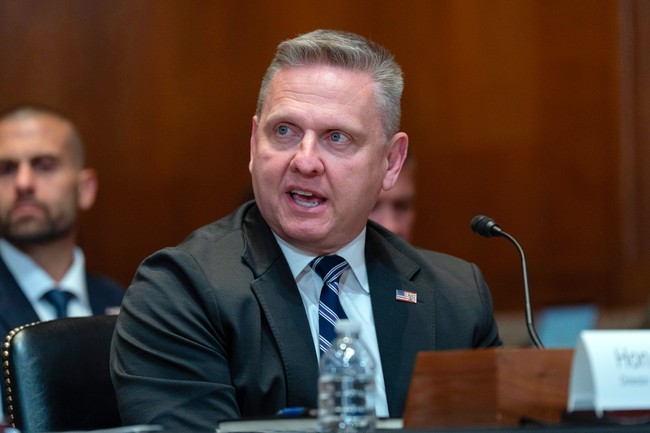
ATF Director Robert Cekada’s measured rebuttal to Rachel Maddow’s latest broadside is more than bureaucratic pushback—it’s a reminder that the agency’s own data often undercuts the narrative of an “epidemic” of lawful gun sales fueling crime. While Maddow framed recent ATF proposals as modest tweaks to close phantom loopholes, Cekada’s response highlights how the agency’s own trace data shows the overwhelming majority of recovered firearms come from straw purchases, theft, or trafficking rings rather than the private transfers or “ghost gun” kits the rules target. That distinction matters because it exposes the political calculus behind the rulemaking: if the goal were truly public safety, resources would flow toward prosecuting the actual traffickers already on the books instead of layering new paperwork on FFLs already drowning in compliance costs.
For the 2A community the episode is a textbook illustration of mission creep dressed up as enforcement. Every time the ATF floats a rule that redefines “engaged in the business” or expands serialization requirements, it effectively shifts the burden onto law-abiding citizens and small dealers while the real criminal pipelines—Mexican cartels, repeat felons, and corrupt FFL employees—continue operating with relative impunity. Cekada’s willingness to correct the record publicly also signals internal recognition that the agency’s credibility is on the line; when even its own director has to walk back hyperbolic media claims, it undercuts the narrative that the next rule will be the one that finally stops the violence.
The larger implication is strategic. If the 2A movement treats each proposed rule in isolation, it will keep playing defense on a tilted field. Instead, the community should use moments like this to demand measurable outcomes: show us the prosecutions of straw purchasers that the new definitions are supposed to enable, publish the trace data that justifies the rule, and sunset provisions that expire if the promised crime reduction never materializes. Cekada’s pushback gives reformers inside the agency and outside it a talking point that the current approach is more about optics than results—and that’s leverage worth exploiting before the next round of rulemaking drops.


