

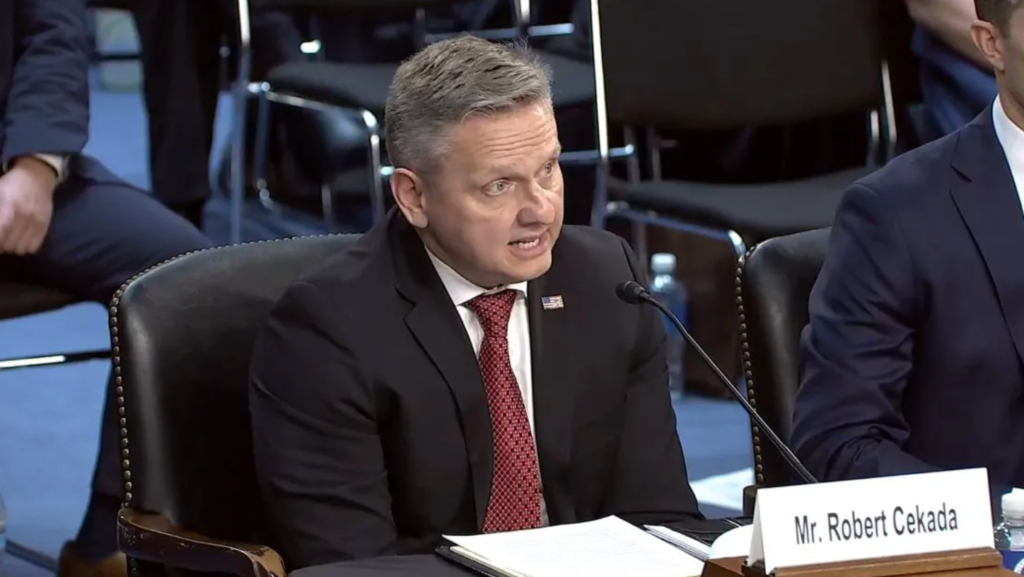
In a refreshing departure from the agency’s recent history of regulatory overreach and bureaucratic hostility toward law-abiding gun owners, ATF Director Robert Cekada and Chief Counsel Robert Leider sat down for an extensive interview outlining a substantive reform agenda aimed at bringing stability back to federal firearms law. The discussion touched on critical issues including the deeply flawed pistol brace rule that has ensnared hundreds of thousands of otherwise compliant Americans, turning common accessories into potential felonies overnight through arbitrary reinterpretation. This marks what appears to be a genuine philosophical shift at the top of the ATF, moving away from the rule-by-notice-and-comment gamesmanship that characterized previous leadership and toward a more restrained, textually grounded approach that respects the boundaries of administrative power.
For the 2A community, this development carries significant implications beyond any single policy reversal. The brace rule itself exemplified the worst tendencies of the administrative state: an agency rewriting the definition of a rifle to capture millions of pistols equipped with stabilizing braces that millions of disabled veterans and average citizens relied upon for practical use. Cekada and Leider’s willingness to revisit this regulatory mess, alongside broader commitments to regulatory reform, suggests the agency may finally be internalizing the lessons from multiple court losses and growing congressional skepticism. The interview signals potential relief for manufacturers, retailers, and owners who have operated under a cloud of regulatory uncertainty for years, where the rules seemed to change based on political whims rather than statutory text or historical tradition as demanded by the Bruen decision.
What remains to be seen is whether this reform agenda can survive the inevitable resistance from entrenched career staff and anti-gun activists who view the ATF as a weapon against civilian firearm ownership rather than a neutral enforcer of existing law. If Cekada and Leider can deliver meaningful rollbacks, clearer guidance, and a commitment to respecting the restored understanding of the Second Amendment, they could help restore some institutional legitimacy to an agency that had veered dangerously close to becoming a de facto gun control legislature. The 2A community should watch these developments closely, offering measured support where reforms materialize while maintaining the healthy skepticism that years of arbitrary rulemaking has rightfully earned. Stability in gun laws isn’t just good policy; it’s a constitutional necessity that protects law-abiding citizens from the very government agency tasked with enforcing those laws.


