

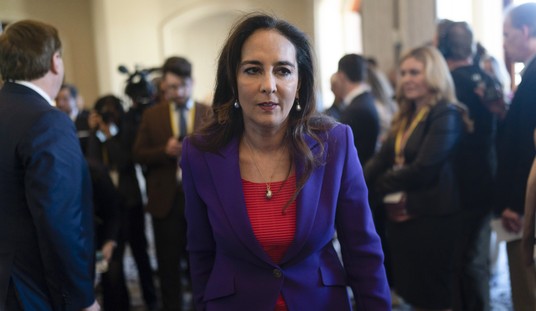
Assistant AG Harmeet Dhillon’s decision to zero in on Colorado signals a deliberate federal pushback against states that treat the Second Amendment as optional. By stepping in where local prosecutors have openly refused to enforce magazine and “assault weapon” restrictions, Dhillon is reminding officials that federal supremacy and constitutional text still matter; the move also hands the incoming administration a ready-made template for using DOJ resources to defend lawful gun owners rather than harass them. The contrast with Virginia’s governor and attorney general—who appear more interested in performative statements than actual enforcement—underscores how uneven the legal landscape has become, with some states treating noncompliance as a virtue and others quietly hoping federal courts will clean up their mess.
For the 2A community the implications are immediate and strategic. A record-low homicide trajectory coinciding with record gun ownership continues to dismantle the narrative that more guns equal more crime, giving Dhillon and aligned attorneys general hard data to cite when they challenge magazine bans and other restrictions in court. Meanwhile, the USPS policy fight and the San Diego case serve as timely reminders that regulatory end-runs and isolated tragedies will be weaponized regardless of the facts; having a DOJ official willing to meet those challenges head-on rather than join them changes the defensive posture the gun community has been forced into for years. The larger takeaway is that enforcement discretion is now a two-way street, and the side that has historically used it against gun owners is about to face reciprocal scrutiny.


