

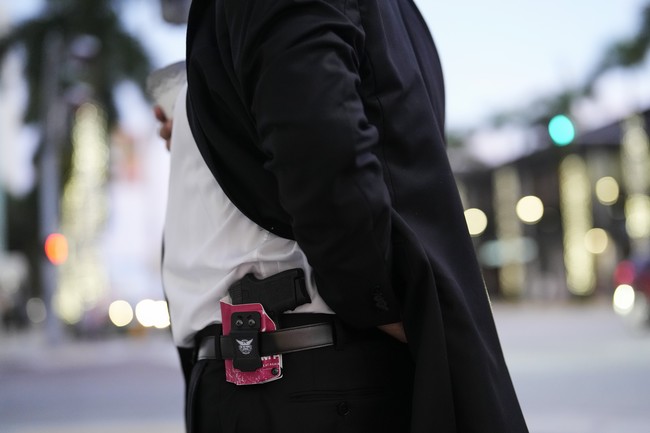
The Virgin Islands’ freshly minted gun-control package is already running into constitutional headwinds, and the most vulnerable piece is the one that tries to turn every long-gun owner into a de-facto registrant. By grafting a new “permit-to-purchase” requirement onto rifles and shotguns, legislators apparently forgot that the Supreme Court’s 2022 Bruen decision demands historical analogues, not wishful thinking; no island tradition of universal long-gun licensing magically appeared between 1791 and 1868, so the provision is already on life support. Meanwhile, the rest of the law—expanded “assault-weapon” features bans, magazine limits, and red-flag procedures—leans on the same thin historical ice, giving plaintiffs an inviting menu of facial challenges the moment enforcement begins.
For the broader Second-Amendment community this episode is a live-fire demonstration of post-Bruen realities: states and territories can still pass headline-grabbing restrictions, but each one now ships with an expiration date stamped by federal courts. The likely early injunction against the long-gun permitting scheme will not only spare Virgin Islanders immediate compliance costs; it will also generate persuasive precedent that other offshore jurisdictions—Guam, Puerto Rico, American Samoa—cannot simply import California-style controls without a constitutional receipt. In short, the law arrived stillborn in part because Bruen turned every new gun-control measure into a historical scavenger hunt, and the Virgin Islands came up empty-handed.


