

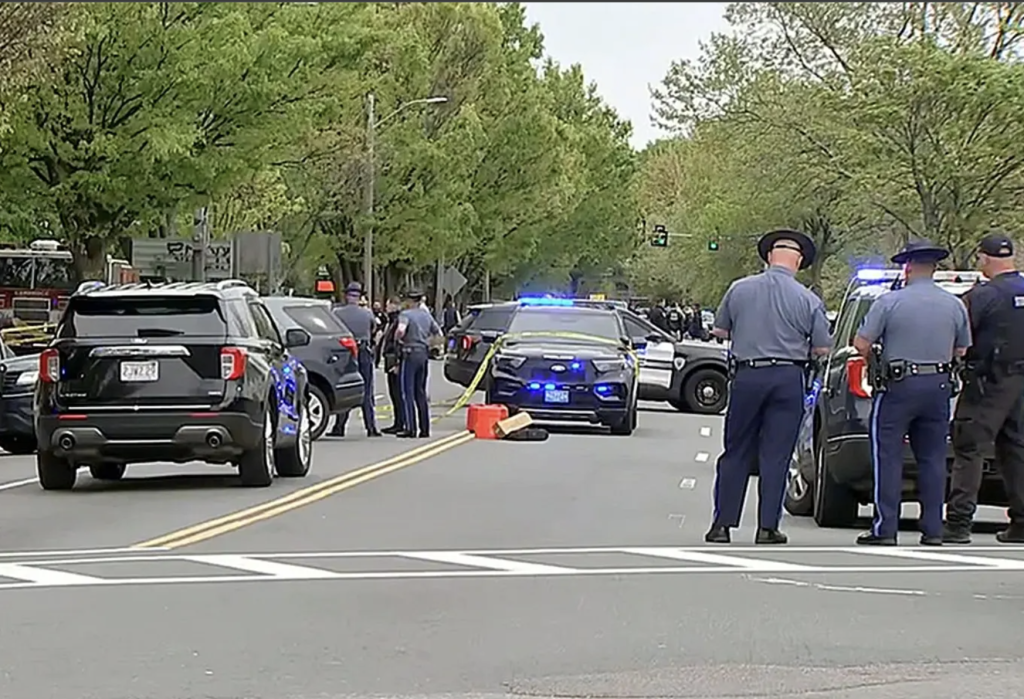
In a state where gun control advocates have spent decades tightening restrictions and demonizing lawful carry, an armed citizen and a state trooper just reminded everyone why the Second Amendment still matters. The Cambridge attack was halted not by another layer of legislation or a “sensitive places” sign, but by the decisive presence of two armed individuals who refused to be passive victims. The offender—a repeat violent criminal released early under policies that prioritize leniency over public safety—learned the hard way that paper restrictions do not stop determined predators; only armed resistance does.
What makes this incident especially telling is the political geography. Massachusetts ranks among the most restrictive states in the nation, with may-issue permitting, red-flag laws, and a cultural climate that treats armed self-defense as inherently suspect. Yet when seconds counted, it was the armed citizen—someone who had navigated that very system to lawfully carry—who helped end the threat alongside law enforcement. The story exposes the central contradiction of the gun-control worldview: the same jurisdictions that claim to make people safer by disarming them are the ones that routinely release violent offenders back onto the streets, then act shocked when those offenders reoffend.
For the 2A community, the takeaway is straightforward. Every defensive gun use in a hostile jurisdiction is both a victory and a warning. It proves that rights exercised under difficult conditions still save lives, and it underscores why shall-issue carry, constitutional carry, and the broader right to keep and bear arms must be defended nationally rather than left to the mercy of local political fashion. The Cambridge incident will likely be memory-holed by legacy media, but the lesson remains: an armed citizen is not the problem; an unarmed one facing a rifle-wielding repeat offender is.


