

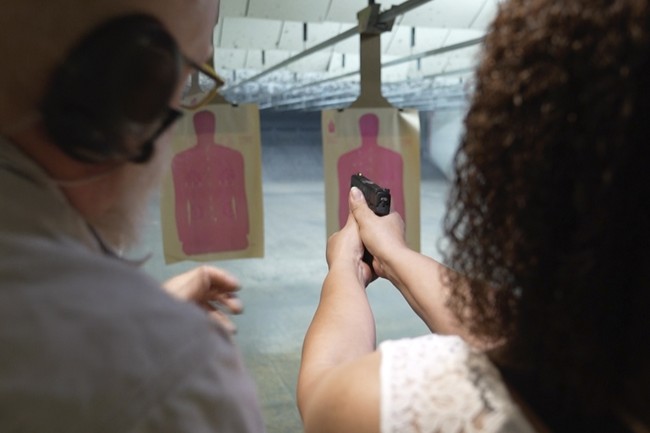
Women have long been the fastest-growing segment of new gun owners, yet the numbers we see in surveys and sales data may still be missing a sizable chunk of them. Many women purchase firearms through family members, inherit guns without ever registering them in their own name, or simply decline to identify as “gun owners” on polls because the term carries a cultural weight they don’t feel applies to them. That quiet undercount matters: if the true population of female carriers and household defenders is larger than reported, then the industry’s marketing, training programs, and political messaging are all calibrated to an incomplete picture—one that underestimates both demand for women-specific gear and the grassroots electoral clout women bring to the pro-2A coalition.
The ripple effects inside the Second Amendment community are immediate and strategic. Ranges and instructors who still treat female shooters as occasional “date-night” participants rather than serious, repeat customers risk leaving revenue and retention on the table; likewise, advocacy groups that continue to frame gun ownership as a predominantly male domain cede persuasive ground to opponents who paint the right to keep and bear arms as an outdated, masculine relic. When women’s numbers are properly tallied, the narrative shifts from “defending a tradition” to “expanding a shared constitutional inheritance,” making it harder for media and lawmakers to dismiss grassroots opposition as fringe or homogenous. In short, an accurate headcount isn’t just a statistical nicety—it’s ammunition for the larger fight over whose rights get normalized and whose get regulated out of existence.


