

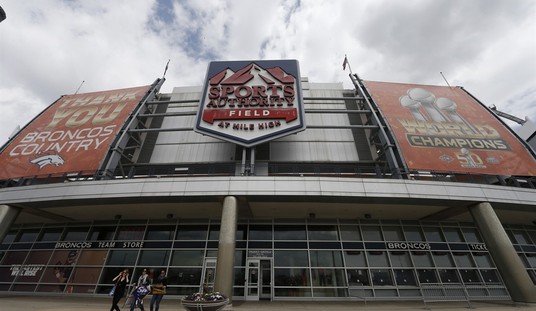
The Denver Broncos’ aggressive property acquisitions around their stadium complex are doing more than just reshaping real estate—they’re squeezing out a longtime local business that happens to be a gun shop. High Country Armory now faces the very real prospect of having to relocate because the team’s landlord tactics have driven rents sky-high in the area. What looks like standard corporate expansion on paper is, in practice, a textbook case of how private-sector pressure can achieve the same result as heavy-handed government regulation: making it harder for law-abiding gun owners to access legal commerce without ever passing a single new law.
For the 2A community this isn’t just another business story; it’s a reminder that the right to keep and bear arms doesn’t end at the point of sale. When a major sports franchise uses its economic muscle to price out a firearms retailer, it effectively shrinks the footprint of legal gun culture in a major metro area. Supporters of the Second Amendment have long warned that incremental restrictions on where and how guns can be sold are just as dangerous as outright bans, and this situation shows how those restrictions can arrive through the back door of rising commercial rents rather than the front door of legislation. The Broncos may not be targeting gun owners specifically, but the collateral damage lands squarely on a demographic that already feels under siege from every other direction.
The larger implication is that 2A advocates need to start treating commercial real-estate battles as seriously as they treat legislative ones. If sports teams, universities, and big-box developers can quietly choke off access to gun shops by dominating surrounding property, then the community’s response has to include everything from supporting pro-2A commercial landlords to exploring creative ownership models that keep retail outlets viable. Otherwise, the right to bear arms risks becoming a theoretical freedom exercised only in ever-smaller pockets of the map.


