

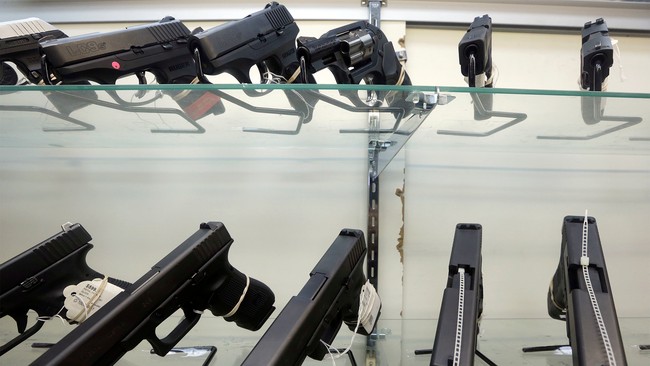
Anti-gun physicians often frame firearm ownership as a public-health crisis rather than a constitutional right, yet their surveys and position papers rarely account for the defensive uses of guns that occur outside hospital walls. Data from the CDC’s own National Violent Death Reporting System and multiple National Academies reviews show that Americans use firearms in lawful self-defense anywhere from several hundred thousand to several million times each year—figures that dwarf the gun-death totals these doctors cite. When medical organizations issue sweeping policy statements without acknowledging this defensive utility, they effectively convert clinical anecdotes into legislative ammunition, sidelining the very people whose lives are preserved by the Second Amendment.
That selective lens carries real-world consequences for law-abiding gun owners. Every time a medical society endorses “universal background checks” or “assault-weapon bans” without evidence that such measures reduce criminal violence, it lends an air of scientific legitimacy to restrictions that primarily burden the compliant. Meanwhile, the same organizations remain largely silent on prosecuting prohibited persons who already fail background checks or on addressing the urban gang violence that drives the majority of gun homicides—omissions that reveal a deeper ideological tilt. For the 2A community, the takeaway is clear: medical credentials do not confer expertise in criminology or constitutional law, and ceding policy ground to one-sided clinical narratives risks normalizing the erosion of a fundamental right under the guise of health policy.


