

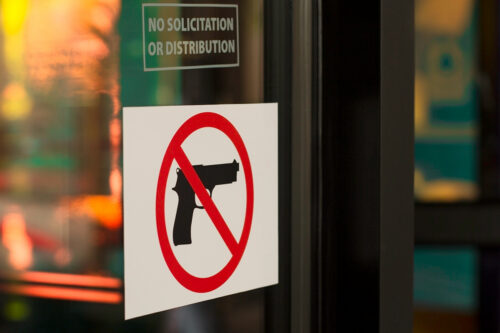
The defeats in Hawaii and New Jersey are more than isolated courtroom wins—they’re proof that the post-Bruen landscape is finally forcing states to defend their gun laws with actual history rather than policy preferences. In Wolford, the Ninth Circuit rejected Hawaii’s “may-issue” carry regime and its attempt to treat the entire state as a sensitive place, while Cheeseman struck down New Jersey’s magazine restrictions and its convoluted justification for limiting common arms. Both rulings expose the same pattern: when courts demand evidence instead of slogans, the anti-gun playbook collapses. The immediate regrouping by activists and officials reveals their strategy hasn’t changed—delay, re-litigate, and hope for friendlier benches—yet each loss narrows the ground they can plausibly defend.
For the 2A community these decisions carry practical weight beyond the plaintiffs. Law-abiding carriers in Hawaii now have a clearer path to shall-issue permitting, and New Jersey residents regain access to standard-capacity magazines that had been arbitrarily capped. More importantly, the opinions reinforce that restrictions must be rooted in the nation’s historical tradition of firearm regulation, not modern public-safety rationales dressed up as tradition. That standard raises the cost of future legislation and gives litigators stronger precedent when challenging sensitive-place rules, permitting delays, or feature bans elsewhere. The anti-gun side’s determination to keep fighting is expected, but the terrain is shifting against them; every new ruling that applies Bruen correctly makes the next challenge cheaper and the next loss more predictable.


