

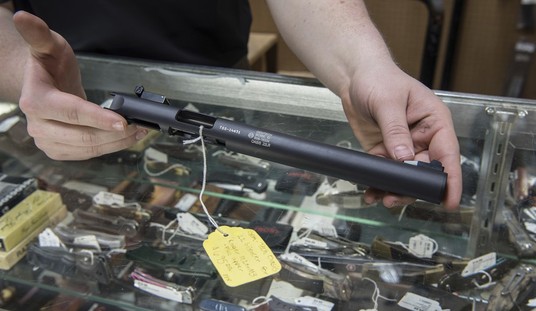
The Bureau of Industry and Security’s quiet tweak to export licensing rules has exposed the anti-gun lobby’s real priorities: not public safety, but the preservation of a narrative that treats suppressors as exotic murder devices rather than the hearing-protection tools they are. By easing the paperwork burden on U.S. manufacturers who already sell overseas under tightly controlled permits, the change simply aligns suppressor policy with the treatment of other Title II items that have long been exported without incident. The panic headlines that followed—predicting a flood of “silencers” into the hands of foreign criminals—ignore the fact that every overseas shipment still requires case-by-case State Department vetting and end-user certificates. In other words, the rule change is administrative housekeeping, not an open spigot.
For the domestic gun-owning public, the development is a reminder that the suppressor fight is winnable when advocates focus on facts instead of fear. Hearing-loss prevention is no longer a fringe talking point; it is now backed by OSHA data, military adoption, and even the grudging acknowledgment of some European governments that already allow over-the-counter purchase. The export liberalization quietly strengthens American manufacturers, increases economies of scale, and ultimately lowers prices for law-abiding citizens at home. That is precisely why the usual suspects are melting down: every time suppressors become more normalized, the “only assassins need them” trope loses another layer of plausibility.
The larger implication is strategic. If regulators can modernize export policy without new legislation, the same administrative pathway could eventually be used to move suppressors from the National Firearms Act to the less-onerous Gun Control Act—an outcome that would not require Congress to admit past mistakes, only to recognize current realities. Anti-gun groups understand this, which is why they are already framing a minor permitting update as a civilizational threat. The 2A community’s task is to keep the discussion anchored in decibel ratings, industrial data, and the constitutional default that placing a silencer on a firearm is an exercise of the right to keep and bear arms, not a public endangerment.


