

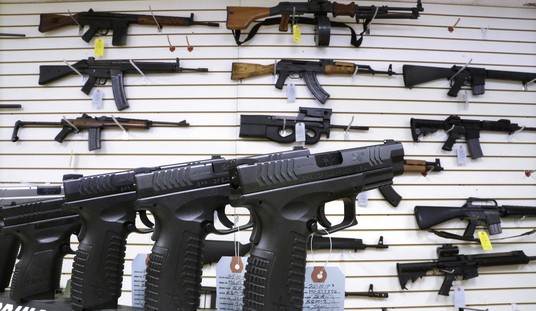
Another Virginia sheriff has drawn a line in the sand, refusing to enforce the latest round of gun-control measures pushed through Richmond. By declaring his office will not prioritize or actively pursue violations of the new restrictions, he joins a growing list of local law-enforcement leaders who view the laws as both unconstitutional and unenforceable without their cooperation. This isn’t mere posturing; in a commonwealth where sheriffs are elected directly by the people, such statements carry real weight and signal that state-level edicts may stall at the county line.
What makes this development especially telling is the timing and the geography. Virginia’s 2020s-era gun laws were sold as modest, “common-sense” tweaks, yet they’ve triggered sustained pushback from rural and suburban sheriffs who see them as an attempt to criminalize previously lawful behavior. When elected officials closest to the voters refuse to lend their badges to enforcement, the practical effect is a de facto nullification that Richmond cannot easily override. For the 2A community, the lesson is clear: sanctuary-style resistance at the local level remains one of the most immediate and tangible checks on overreach, buying time for courts and voters to weigh in.
The broader implication is that gun-control advocates may be winning legislative battles while losing the battle for legitimacy on the ground. Each sheriff who opts out underscores a widening gap between the political class in the capital and the communities expected to live under the new rules. If this pattern continues, it could reshape how future restrictions are written—or whether they’re even attempted—because legislation without willing enforcers is little more than paper.


