

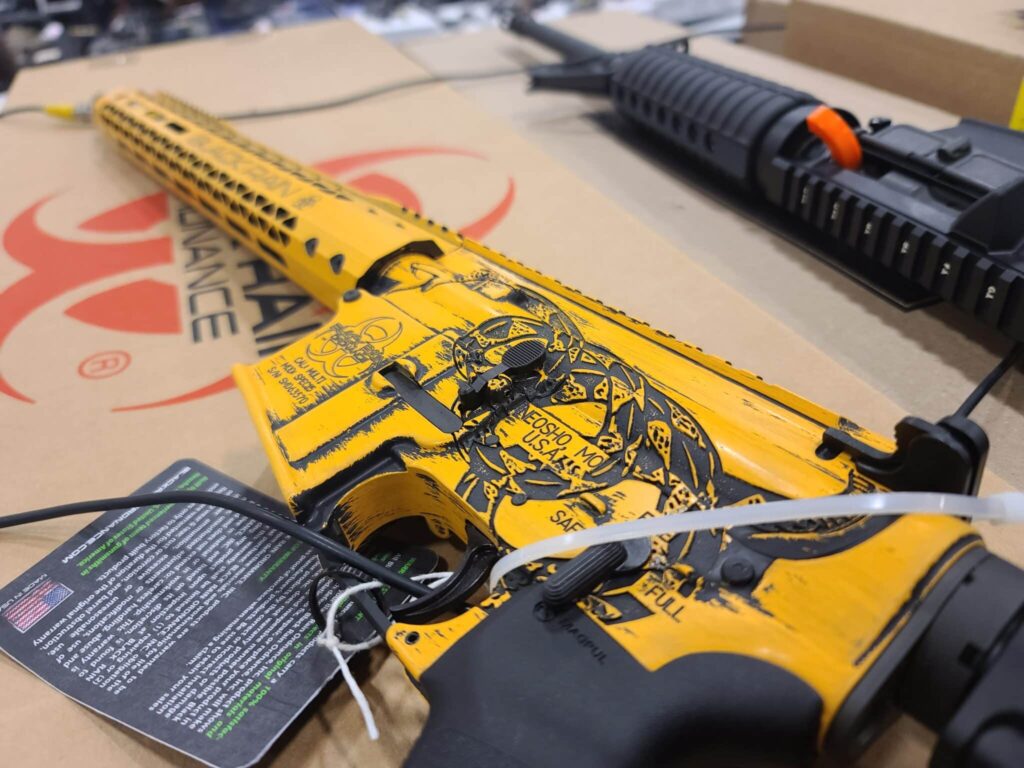
Virginia’s legal team is trying something fresh in federal court: instead of leaning on the usual “common use” dodge that’s been getting shredded post-Bruen, they’re arguing the AR-15 isn’t even an “arm” protected by the Second Amendment because its design features make it unusually dangerous. That’s a bold pivot—essentially claiming that if a firearm is too effective at its intended purpose, the Constitution stops applying. It’s the kind of argument that sounds clever in a brief until you realize it would let states ban virtually every modern semi-auto by simply declaring it “unusually dangerous,” a standard so elastic it could swallow the right itself.
For the 2A community this isn’t just another skirmish over one state’s ban; it’s a test of whether courts will let governments redefine constitutional text through policy preferences rather than historical tradition. If Virginia’s theory sticks, expect copycat litigation from every blue state itching to expand its AWB, and the burden will shift from proving a gun is in common use to proving it isn’t scary enough for the state to outlaw. That flips Bruen on its head and hands anti-gun attorneys a roadmap for future restrictions that never have to clear the historical-analogue test.
The practical takeaway is that Virginia’s defense is less about this specific law surviving and more about softening judicial scrutiny for the next round of bans. Gun owners should watch the briefing closely; every concession extracted here becomes precedent elsewhere, and the long game is whether the Second Amendment remains a meaningful check or just a suggestion states can litigate around until the Supreme Court steps in again.


