

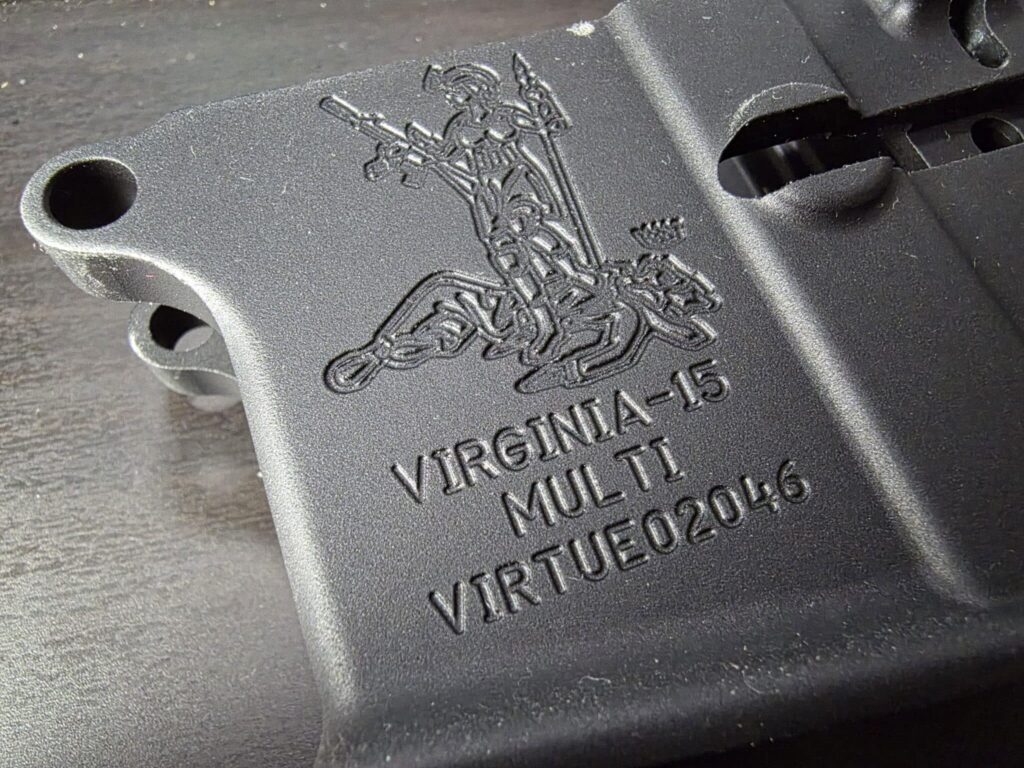
Gun-rights advocates have flipped the old collective-rights script on its head in Virginia, and the irony is delicious. For years, anti-gun lawyers insisted the Second Amendment only protected arms-bearing inside an organized militia; now those same advocates are watching their own logic used to defend the individual right to buy an AR-15. By arguing that an “unorganized militia” of law-abiding citizens still counts, pro-2A litigators are forcing courts to confront the fact that if militia membership is the constitutional trigger, then virtually every adult Virginian already qualifies—making a sales ban on the modern militia rifle constitutionally incoherent.
The deeper implication is tactical as much as legal. This maneuver steals the rhetorical high ground that gun-control groups have occupied since the 1970s and turns it into a wedge against incremental bans. If judges accept the revived militia framing, any restriction that disarms the unorganized militia becomes presumptively suspect, narrowing the range of “sensitive places” or “dangerous and unusual” doctrines that have lately been used to uphold magazine limits and assault-weapon statutes. The move also telegraphs a broader litigation strategy: rather than conceding the collective-rights theory outright, 2A advocates are showing they can wield it when it produces individual-rights victories, keeping opponents perpetually on defense.
For the broader community, the Virginia case is a reminder that constitutional text is a two-way street; language once aimed at neutering the right can be repurposed to expand it. Expect copy-cat filings in other states weighing similar bans, and watch how quickly gun-control groups abandon the militia argument once it stops serving their purposes. The long game is not just winning this statute—it is locking in a precedent that treats the armed citizen as the baseline constitutional actor, not the exception.


