

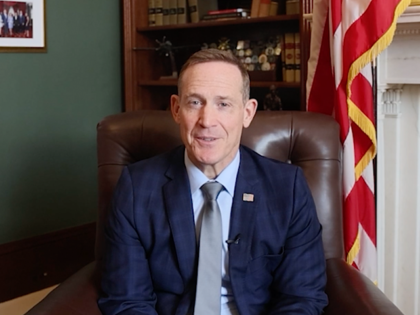
Sen. Ted Budd’s tribute captures a truth the firearms community has long understood: the same impulse that drove the Founders to reject centralized overreach is what keeps the Second Amendment alive today. By framing North Carolina’s economic surge as proof that limited government fuels innovation, Budd implicitly reminds us that the right to keep and bear arms is not an isolated relic but part of the same constitutional architecture that protects property, enterprise, and self-reliance. When regulators in Washington try to micromanage everything from magazine capacity to pistol braces, they are repeating the very pattern the Founders repudiated—substituting bureaucratic preference for individual judgment.
For the 2A community, the message carries a practical warning and an opportunity. States that embrace the Founders’ skepticism of overregulation, like North Carolina, are becoming magnets for gun manufacturers, training facilities, and shooting-sports businesses fleeing more restrictive jurisdictions. That migration strengthens local economies while concentrating political clout in legislatures more inclined to defend constitutional carry and resist federal edicts. Conversely, jurisdictions that double down on permitting schemes and “assault weapon” bans risk driving talent and capital elsewhere, proving in real time that heavy-handed rules rarely produce the safety they promise.
Budd’s larger point—that honoring tradition and embracing innovation are not opposites—offers the pro-2A movement a coherent narrative heading into future legislative fights. Rather than conceding that technological progress somehow justifies new restrictions on modern sporting rifles or braced pistols, advocates can argue that the same inventive spirit the Founders celebrated demands we apply the plain text of the Second Amendment to the arms of today. In that light, North Carolina’s rise is more than an economic success story; it is evidence that fidelity to founding principles still delivers both liberty and prosperity.


