

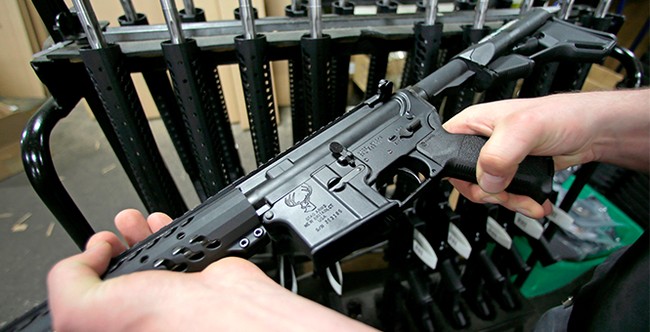
The phrase “modern musket” isn’t just clever branding—it’s a direct rebuke to the tired talking point that the Second Amendment was frozen in 1791. The piece reminds readers that the Founders chose muskets precisely because they were the most advanced, citizen-accessible arms of their day; today that same logic points to the AR-15 platform and its civilian-legal cousins. By framing contemporary rifles as the functional equivalent of the revolutionary-era long gun, the argument undercuts the notion that technological progress somehow voids constitutional protection and instead treats the right to keep and bear arms as a living principle keyed to whatever tool best preserves individual sovereignty against tyranny or chaos.
For the 2A community the takeaway is both strategic and cultural: every time gun-control advocates demand “assault weapon” bans or magazine restrictions, they are effectively arguing that Americans should be limited to technological antiques while police and military retain cutting-edge gear. The post reframes magazine-fed, semi-automatic rifles not as exotic accessories but as the everyday implements of American independence—tools for home defense, competition, and, if history ever repeats, the last line against centralized power. That framing shifts the Overton window from “reasonable restrictions” to a demand for parity between the armed citizen and the armed state.
The deeper implication is that technological adaptation strengthens, rather than threatens, the constitutional order. Suppressors, red-dots, and braced pistols are simply the modern equivalents of rifling, patch-and-ball improvements, and sling swivels; each generation’s refinements keep the people’s arms relevant. By insisting that liberty requires the modern musket, the argument inoculates the community against incremental bans dressed up as “common-sense” measures and keeps the focus on the enduring purpose of the Second Amendment: an armed populace capable of securing its own freedom.


