

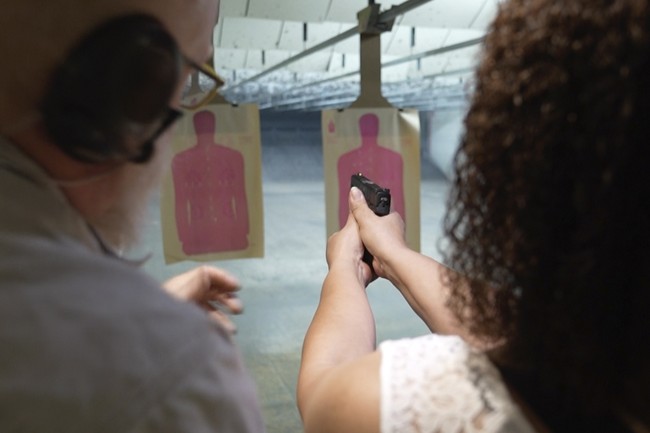
In Alabama, a city’s decision to roll out specialized firearms training for women isn’t just another class—it’s a direct rebuttal to the tired narrative that gun ownership is a man’s domain. By tailoring instruction to female students, the program dismantles the intimidation factor that often keeps women from the range, replacing it with practical skills, confidence, and the quiet reassurance that comes from knowing how to protect oneself. The result is more than marksmanship; it’s a cultural shift that quietly expands the Second Amendment’s reach to half the population that has historically been underserved by the firearms community.
What makes the story resonate is how it reframes gun training as empowerment rather than confrontation. When women step onto the firing line and leave with tighter groups and steadier hands, they’re not just learning to shoot—they’re claiming the same individual right to self-defense that the Founders enshrined without regard to sex. That matters in a political climate where some still treat the right to keep and bear arms as a conditional privilege rather than an unalienable liberty. Programs like this quietly prove that the 2A community grows stronger, not weaker, when it welcomes everyone willing to train responsibly.
The broader implication is clear: every new shooter, regardless of gender, adds another voice to the defense of constitutional carry and pushes back against incremental restrictions. Alabama’s initiative shows that grassroots education can do what top-down mandates never will—normalize responsible ownership and turn abstract rights into lived skills. As more cities follow suit, the 2A movement gains not just numbers, but a deeper bench of informed, capable citizens ready to safeguard the tradition for the next generation.


