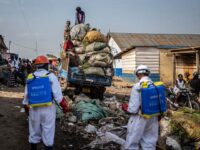
In the heart of the Congo’s Ebola epicenter, aid workers are raising alarms that the core infected area has now run out of clean water—a development far beyond usual disease-control protocols and implying far-reaching destabilization. This scarcity forces reliance on contaminated sources, accelerating transmission vectors through everyday necessities like drinking, cooking, and personal hygiene, while simultaneously weakening any available body defenses against the virus itself.




